Vero Door
Vero Door
Vero Door
Explore our collection of heavy-duty, smart automatic barriers, invisible frameless structures, and secure entryways designed for modern residential, commercial, and industrial facilities.
As contemporary architectural design continuously moves towards optimization of space, safety, and acoustic separation, standard sliding doors frequently encounter structural limitations in high-traffic or compact environments. The implementation of telescopic sliding door systems has transitioned from a niche architectural option to an industry standard for maximizing clear opening widths without modifying structural masonry openings.
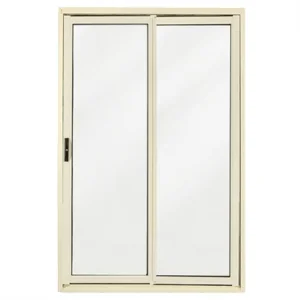
Telescopic sliding mechanisms allow multiple sliding door panels to overlap when fully retracted, yielding a clear opening of up to 60-70% of the overall structural aperture width. This contrasts with traditional single sliding doors which yield less than 50%. The integration of synchronized belts and precise high-load track hangers allows architects to specify wider entrances in narrow corridors, particularly in commercial transit stations, hospital ICU doors, and corporate entry points.
Modern commercial infrastructure demands unified communication between security access systems, fire alarm panels, and automatic doors. Heavy-duty telescopic sliding systems utilize brushless DC motors paired with micro-controller units (MCUs) that execute variable-frequency speed curves. This ensures that even during high wind loads or pressure differentials in HVAC zones, panels move consistently and safely, and can automatically revert to open positions upon receiving signal pulses from emergency fire controls.
For external-facing sliding doors and interior conference spaces, thermal breaks and sound dampening are primary variables. Premium manufacturers utilize thermal break aluminum profiles extruded with low-conductivity polyamide strips. Coupled with double-glazed low-emissivity glass panels, these telescopic systems mitigate acoustic transfer (often targeting an STC rating above 35) and reduce energy consumption in heavily conditioned structures.
The growth of automated logistics, smart cities, and sustainable building designs has led to a major increase in the global demand for reliable, heavy-duty sliding systems.
The production of reliable telescopic systems is concentrated in high-precision manufacturing corridors within Europe, East Asia, and North America. Top OEM factories utilize computerized numerical control (CNC) machining centers to mill tolerances below 0.05mm on guide rails and track surfaces. This precision is vital; even minor deviations in track alignment will compound over three-panel and four-panel configurations, leading to accelerated roller wear, vibrations, and premature system failure.
The global commercial landscape is moving rapidly toward intelligent predictive diagnostics. Industry-leading factories are incorporating sensor arrays into their drive assemblies. By monitoring voltage fluctuations, heat signatures, and vibration profiles, the control system can warn facility managers of potential carriage degradation or alignment drift before a breakdown happens. This is especially useful in critical locations like transit terminals and cleanrooms.
To assist structural engineers, commercial developers, and procurement agents in sourcing the correct systems, the following table details the baseline parameters required for industrial-grade telescopic sliding doors:
| System Parameter | Standard Specification | Heavy-Duty Industrial Specification | Primary Compliance Protocol |
|---|---|---|---|
| Panel Weight Capacity | Up to 120 kg per panel | Up to 250 kg per panel (Reinforced carriage) | ANSI/BHMA A156.10, DIN 18650 |
| Drive Mechanism | Reinforced Polyurethane Toothed Belt | Steel-Core Synchronous Belt / Chain Drive | ISO 9001, CE Mark |
| Opening/Closing Speed | 0.3 to 0.7 m/s (Adjustable) | Up to 1.2 m/s (Dynamic smart profiles) | EN 16005 Safety Standards |
| Acoustic Rating (STC) | STC 28 - 32 (Standard perimeter brush) | STC 38 - 45+ (Active drop seals & neoprene gaskets) | ASTM E90 Acoustic Certification |
| Controller Type | 8-bit Microcontroller unit | 32-bit DSP processor with CAN-Bus interface | UL 325 Safety standard for door operators |
Understanding the mechanical design of a telescopic sliding door system is critical for structural architects. The relative movement of the doors relies on a synchronous cable or belt-and-pulley mechanism configured to maintain precise proportional speeds between the fast-moving primary panel and the slow-moving secondary panel.
In a standard 2-panel telescopic sliding door system configured for single-slide left or right operation, the leading panel (Fast Panel) must travel exactly double the distance of the trailing panel (Slow Panel) in the same timeframe. Consequently, the controller and belt drive must coordinate a 2:1 velocity ratio. In more complex configurations, such as 3-panel single-slide or 6-panel bi-parting setups, the ratios shift to 3:2:1, requiring multi-level pulleys. Any deviation in this velocity ratio leads to friction, track binding, and high motor wear.
Additionally, selecting the proper structural roller material is essential. Polyoxymethylene (POM) is often chosen for standard projects due to its resilience and smooth performance. However, for heavier glass panels, manufacturers prefer high-performance polyurethane rollers with precision ball bearings. This ensures long-term resistance to flat-spotting and quiet operation over years of continuous use.
Selecting a manufacturing partner requires careful evaluation of their quality assurance standards. Sourcing from certified factories ensures your installations meet regional building codes and avoid legal liability.
This European standard details the safety-in-use requirements for power-operated pedestrian doors. It mandates low energy movement profiles, obstacle detection sensitivity, emergency break-out operations, and protective sensor coverage zones to prevent trapping hazards during opening and closing cycles.
These American National Standards govern power-operated pedestrian doors. Standard A156.10 outlines requirements for automatic sliding, swinging, and revolving doors, including maximum speeds, activation zones, force limitations, and sensor layouts to ensure user safety.
UL 325 compliance ensures electrical drive motors and control boards are protected against electrical shock and fire hazards. For fire-rated applications, the complete telescopic door system must also pass positive-pressure fire tests, maintaining structural integrity for up to 90 or 120 minutes.
Telescopic sliding doors are deployed across diverse sectors, each requiring unique configuration changes to optimize performance.
In hospitals, ICU entryways must allow beds, ventilators, and medical personnel to pass quickly. Telescopic doors provide wide clear openings in standard-sized corridors. Selecting models with flush guide-less bottom tracks prevents tripping hazards and keeps medical equipment rolling smoothly.
Metro stations and airport terminals require highly durable doors. Heavy-duty telescopic sliding systems utilize 32-bit DSP controllers and rugged belt drives to manage constant foot traffic, extreme dust levels, and significant pressure changes from high-speed trains.
Automated storefronts need to balance open, welcoming entrances with energy efficiency and security. Telescopic systems allow for expansive glass displays that maximize daylight while utilizing thermal breaks to reduce structural heating and cooling costs.
Zhejiang Vero Door Co., Ltd. is a privately-owned modern group company dedicated to the research, development, design, production, installation, sales, and service of high-end door products. Established with a vision to merge innovation with tradition, we are committed to offering products that not only meet the highest quality standards but also reflect the beauty and elegance of both Eastern and Western cultures. Our growth is powered by a highly skilled team of professionals, led by innovative technical talents who drive the unique design philosophies that define our brand.
We are proud of our commitment to innovation and craftsmanship. Since the inception of our factory in 2012, we have employed cutting-edge manufacturing techniques from Zhejiang to continuously push the boundaries of design. Our team of expert designers has worked diligently to merge Chinese cultural elements with Western civilization, creating products that reflect the timeless values of the East while meeting the needs of contemporary homes.
As an industry leader in the production of high-end security doors, smart doors, cast aluminum doors, and rock slab doors, Vero Door remains dedicated to creating products that blend oriental aesthetics, western craftsmanship, traditional brushwork, and modern technology. The result is the creation of a distinctive high-tech entrance door brand that resonates with our customers' evolving tastes and demands.
With 14 years of experience, we specialize in offering one-stop service, from initial design to final installation and after-sales support. Our 13,000-square-meter industrialized plant and highly efficient workforce of over 100 frontline employees, coupled with a dedicated team of designers and office staff, ensure that we are always ahead of the curve in the industry. Our factory has evolved from manufacturing steel entry doors to now offering a comprehensive range of products tailored to diverse market needs.
Vero Door's continued commitment to excellence is reflected in our ability to handle a broad spectrum of product requirements, ranging from bulk inventory to custom-made orders. With a robust supply chain, our company is equipped to meet the varied needs of the market, providing doors that deliver both security and aesthetic appeal.
At Vero Door, we don’t just manufacture doors—we craft timeless works of art that elevate the experience of entering your home. Whether you're looking for cutting-edge smart doors or beautifully designed security solutions, we guarantee products that will transform the entrance to your home into an expression of style, elegance, and protection.
The next generation of entrance and sliding door systems is shaped by digital connectivity, advanced materials, and environmental sustainability.
The industry is shifting from traditional rotary motor and belt setups to direct-drive linear motor tracks. This removes the need for belts, pulleys, and gearboxes, significantly reducing friction, noise, and mechanical wear points.
Future sliding installations will increasingly incorporate electrochromic (PDLC) glass. This allows panels to transition from transparent to opaque instantly via control commands or proximity sensors, providing on-demand privacy for corporate and medical facilities.
Carbon-fiber reinforced framing systems are being developed to reduce total panel weight. This enables faster door acceleration and deceleration with lower energy consumption, while maintaining exceptional structural integrity against wind loads.
Detailed answers to structural, electrical, and integration questions frequently raised by specifiers and construction leads.
Discover additional security doors, customizable glass bifold systems, robust parking barriers, and specialized energy storage components.