Vero Door
Vero Door
Vero Door
Engineered to withstand extreme environmental challenges, heavy usage, and high-level security requirements globally.

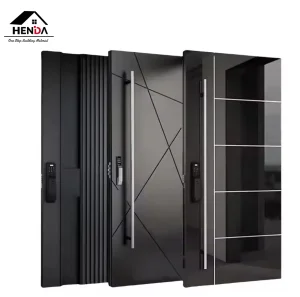
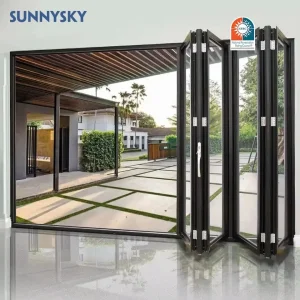
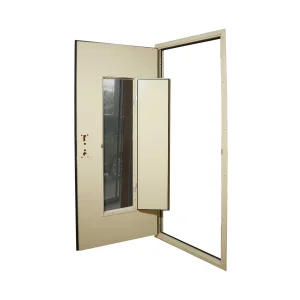
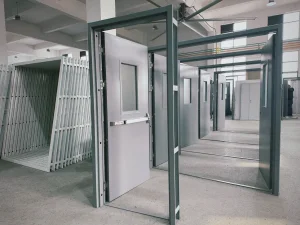
In high-hazard sectors such as oil, gas, chemical processing, defense, and power generation, safety engineering is the foundation of operational continuity. The industrial envelope must withstand not only normal operating stresses but also catastrophic external actions. Among these, explosions present the most critical mechanical challenge to physical infrastructure. Industrial blast-resistant doors are not simple barriers; they are highly engineered safety systems designed to preserve lives and protect critical process equipment from intense shock waves.
To understand the mechanics of blast mitigation, we must analyze the behavior of an explosion. An explosion produces a rapid expansion of gases, creating a shock wave characterized by a sudden rise to peak overpressure, followed by a decaying positive pressure phase and a subsequent negative pressure (suction) phase. The structural response of a door assembly to this dynamic load history dictates the safety level of the facility. Manufacturers must design these assemblies to control deformation, prevent catastrophic structural failure, and maintain closure or functionality depending on the specific hazard mitigation protocol.
Definition of Key Metrics: Blast-resistant door design revolves around two primary variables: peak overpressure (measured in PSI or Bar) and the positive phase duration (impulse, measured in PSI-milliseconds). The design strategy changes based on whether the door must remain operational (reusable) after a hazard event, or simply prevent breach during a single, worst-case incident.
Technological integration and changing regulatory environments are shifting the standards of industrial safety infrastructure worldwide.
Global architectural specifications are moving from standard prescriptive door thicknesses to dynamic performance-based designs. Modern engineering uses finite element analysis (FEA) to simulate blast loads on specific door configurations, allowing for optimal structural profiles without excessive material weight.
Current industrial applications demand doors that meet multiple safety requirements simultaneously. A blast door must also function as a 3-hour fire barrier (UL 10C), block toxic gas infiltration, reduce sound transmission (STC rating), and resist forced entry. This multi-hazard performance requires composite structural designs.
With the rise of Industrial IoT (IIoT), modern blast doors now incorporate electronic access control systems. These systems track door status in real time and automatically lock down high-security areas during an emergency while maintaining safe escape routes using panic hardware.
Zhejiang Vero Door Co., Ltd. is a privately-owned modern group company dedicated to the research, development, design, production, installation, sales, and service of high-end door products. Established with a vision to merge innovation with tradition, we are committed to offering products that not only meet the highest quality standards but also reflect the beauty and elegance of both Eastern and Western cultures. Our growth is powered by a highly skilled team of professionals, led by innovative technical talents who drive the unique design philosophies that define our brand.
We are proud of our commitment to innovation and craftsmanship. Since the inception of our factory in 2012, we have employed cutting-edge manufacturing techniques from Zhejiang to continuously push the boundaries of design. Our team of expert designers has worked diligently to merge Chinese cultural elements with Western civilization, creating products that reflect the timeless values of the East while meeting the needs of contemporary homes.
As an industry leader in the production of high-end security doors, smart doors, cast aluminum doors, and rock slab doors, Vero Door remains dedicated to creating products that blend oriental aesthetics, western craftsmanship, traditional brushwork, and modern technology. The result is the creation of a distinctive high-tech entrance door brand that resonates with our customers' evolving tastes and demands.
With 14 years of experience, we specialize in offering one-stop service, from initial design to final installation and after-sales support. Our 13,000-square-meter industrialized plant and highly efficient workforce of over 100 frontline employees, coupled with a dedicated team of designers and office staff, ensure that we are always ahead of the curve in the industry. Our factory has evolved from manufacturing steel entry doors to now offering a comprehensive range of products tailored to diverse market needs.
Vero Door's continued commitment to excellence is reflected in our ability to handle a broad spectrum of product requirements, ranging from bulk inventory to custom-made orders. With a robust supply chain, our company is equipped to meet the varied needs of the market, providing doors that deliver both security and aesthetic appeal.
At Vero Door, we don’t just manufacture doors—we craft timeless works of art that elevate the experience of entering your home. Whether you're looking for cutting-edge smart doors or beautifully designed security solutions, we guarantee products that will transform the entrance to your home into an expression of style, elegance, and protection.
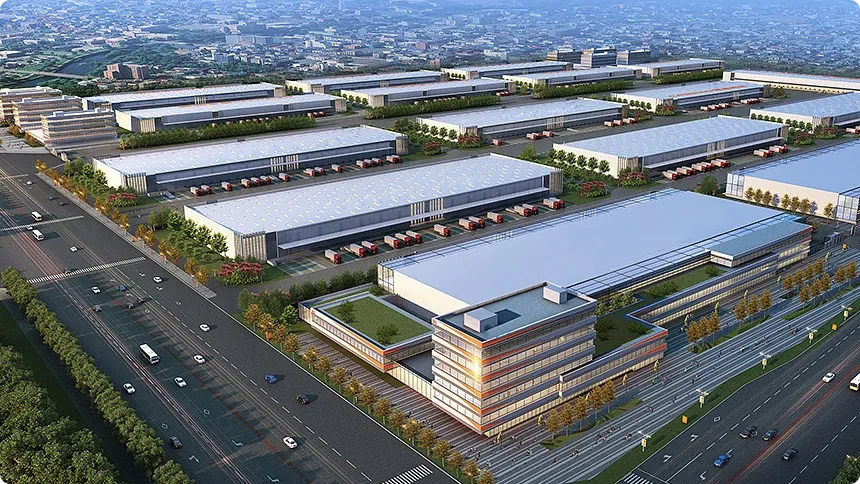
The global industrial sector is facing challenges from geopolitical changes, fluctuating material costs, and the need to reduce project timelines. In this environment, China's advanced manufacturing infrastructure has transitioned from a high-volume assembly model to an advanced Industry 4.0 production network. For international Engineering, Procurement, and Construction (EPC) firms, sourcing critical protective equipment from advanced Chinese manufacturers like Zhejiang Vero Door Co., Ltd. provides clear advantages in supply chain reliability and engineering quality.
This industrial capability is built on several key factors:
| Standard Category | Testing Protocol | Typical Performance Ratings | Industrial Application |
|---|---|---|---|
| Blast Resistance | ASTM F2247 / UFC 3-340-02 | 3 PSI to 40+ PSI (0.2 Bar to 2.7+ Bar) | Control Rooms, Bunkers, Petrochemical PIBs |
| Fire Resistance | UL 10C / NFPA 252 / BS 476 | 60 to 180 Minutes (Integrity & Insulation) | Hazardous Storage, Server Halls, Escape Corridors |
| Acoustic Rating | ASTM E90 / ISO 10140-2 | 35 dB to 55+ dB STC | Machinery Rooms, Power Sub-Stations, Test Labs |
| Gas-Tight Seal | EN 12207 / ASTM E283 | Class 4 Air Tightness (High Overpressure Seals) | Chemical Processing, Refineries, Battery Storage |
Industrial doors must perform reliably in extreme environmental conditions, from harsh desert heat to corrosive marine environments. The choice of materials, coatings, and hardware must adapt to these localized demands to prevent premature wear and ensure safety systems remain operational.
In regions like the Middle East or North Africa, ambient temperatures can exceed 50°C (122°F), accompanied by high UV exposure and airborne dust. Blast doors in these environments require thermal breaks and specialized insulation core materials (such as high-density rock wool or ceramic fibers) to prevent thermal warping. External finishes must use architectural-grade powder coatings or PVDF finishes to resist UV degradation and fading.
Offshore drilling platforms and coastal LNG terminals expose steel components to constant salt spray, accelerating galvanic and chemical corrosion. For these projects, doors are manufactured using marine-grade stainless steel (316L) or hot-dip galvanized steel frames combined with multi-layer epoxy coating systems. Heavy-duty hardware must be fully sealed, utilizing self-lubricating bronze or stainless-steel bearings to prevent corrosion-related failures.
In northern mining sites or gas processing plants, sub-zero temperatures can make standard carbon steels brittle and cause sealing gaskets to lose elasticity. These conditions require the use of low-temperature impact-resistant steel alloys and specialized silicone gaskets rated down to -50°C. If gas-tight performance is required, integrated trace heating systems are installed to prevent ice buildup around the door perimeter.
How customized blast and security doors protect critical operations across different sectors.
In refinery complexes, control rooms and Process Isolation Buildings (PIBs) must remain intact during vapor cloud explosions (VCE). Blast-resistant doors act as the primary barrier, preventing overpressure waves from entering control centers. This protects both control staff and crucial electronic process controls, allowing for a managed shutdown of the plant.
With the rise of renewable energy storage systems (BESS) and battery recycling plants, thermal runaway events are an increasing hazard. These facilities require doors that combine blast containment with certified fire protection (UL 180 min) and gas-tight sealing to prevent toxic gas release and contain high-temperature flash fires.
Munitions storage facilities, rocket launch sites, and secure command structures require high-level protective openings. These structures use heavy-duty steel blast doors engineered to withstand high peak pressures (exceeding 100 PSI) and dynamic rebound forces, combined with high-level anti-intruder and forced-entry certification.
Critical digital infrastructure requires physical security to prevent unauthorized access and protect against external explosive hazards. Integrating forced-entry, bullet-resistant (UL 752), and blast-resistant features into primary entryways ensures continuous operation for critical server infrastructure and financial databases.
Clear answers to common engineering, regulatory, and design questions about blast-resistant industrial doors.
Explore our full range of certified architectural, acoustic, and high-security doors engineered to international standards.