Vero Door
Vero Door
Vero Door
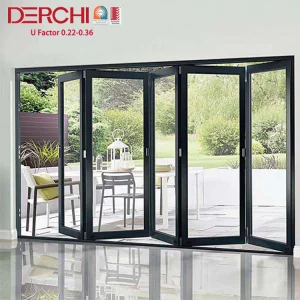
Analyzing the evolution of kinetic facades, structural glazing parameters, and how premium entrance designs serve as thermal barriers and architectural anchors.
Curved automatic glass doors represent the absolute pinnacle of structural engineering and architectural styling. No longer treated as simple utility systems, modern curved entryways serve as the central visual focus of luxury hotels, Class-A corporate headquarters, high-end retail hubs, and critical public terminals globally. By curving the glass elements, engineers achieve a larger opening arc than linear sliding doors can provide, enhancing building throughput while managing complex lobby aerodynamics.
From an architectural standpoint, the installation of curved sliding systems acts as a physical airlock. When integrated with advanced smart sensors and magnetic linear drive motors, these systems create a controlled environmental buffer that minimizes HVAC energy leakage. As sustainable building certifications (like LEED, BREEAM, and DGNB) enforce strict thermal performance requirements, selecting the correct curved glass entryway has become a core decision point for facade engineers and mechanical designers alike.
Globally, the demand is heavily stratified between standard semi-circular installations and completely bespoke circular configurations. Standard radii range from 1,000mm to 3,000mm, with bespoke options scaling up to massive structural applications. Navigating this niche industry requires working with high-grade manufacturers who understand the tight tolerances involved in curved glass tempering, low-iron visual clarity, and precision mechanical drive sync.
To ensure high compliance with structural engineering requirements, global procurement teams utilize strict parameters. Our systems are engineered to target:
How physical environments, environmental conditions, and structural restrictions determine curved entryway specifications.
In high-end hotels and flagship showrooms, visual aesthetics take precedence. Custom profiles feature ultra-clear low-iron glass, concealed in-ground or sleek overhead drives, and bespoke metallic finishes like anodized champagne gold or brushed bronze. Radial sensor sweeps are configured for wide detection zones, offering seamless entry for guests carrying luggage.
For cleanrooms or high-security facilities, hermetically sealed curved entryways control airflow and airborne particulate migration. These installations rely on interlocking logic (airlock sequencing) where the inner curved sliding panel will not actuate until the outer panel registers a complete seal, coupled with touchless activation sensors.
Airports and heavy rail passenger hubs demand robust, high-traffic setups. These systems use heavy-duty brushless DC motor configurations and steel reinforced tracks. They also include active safety buffers like pressure-sensitive bottom edges, side-screen safety sensors, and integrated fire alarm interface boards for emergency egress.
China's dominance in curved automatic glass door manufacturing stems from its highly integrated industrial ecosystems. In regions like Zhejiang and Guangdong, glass processing, motor drive assembly, and aluminum extrusion tooling operate in close proximity. This local supply chain structure allows manufacturers to rapidly customize designs, prototype parts, and scale production compared to fragmented overseas suppliers.
Advanced factories rely on high-precision processing equipment, including CNC vertical machining centers, automated profile milling machines, and computerized glass tempering furnaces capable of achieving precise radii without optical distortion. Additionally, rigorous quality control testing ensures all dynamic components undergo lifecycle testing (reaching up to 1.5 million cycles) before export packaging.
By coupling raw materials, electronics, and automated assembly in a single hub, Chinese factories offer an optimal cost-to-performance ratio. Global buyers benefit from single-point-of-contact engineering, custom extrusion matching, and comprehensive verification testing against ASTM, EN, and CE safety criteria.
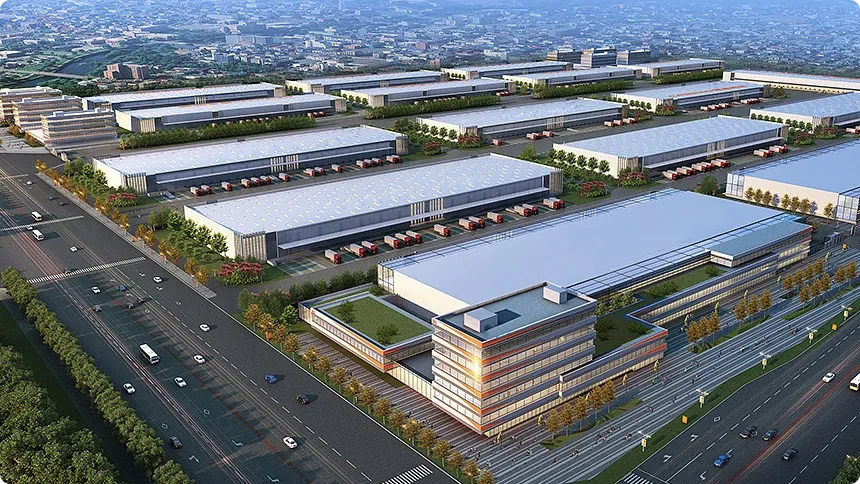
Blending traditional craftsmanship with modern technology to deliver premium, high-security entrance systems.
Zhejiang Vero Door Co., Ltd. is a privately-owned modern group company dedicated to the research, development, design, production, installation, sales, and service of high-end door products. Established with a vision to merge innovation with tradition, we are committed to offering products that not only meet the highest quality standards but also reflect the beauty and elegance of both Eastern and Western cultures. Our growth is powered by a highly skilled team of professionals, led by innovative technical talents who drive the unique design philosophies that define our brand.
We are proud of our commitment to innovation and craftsmanship. Since the inception of our factory in 2012, we have employed cutting-edge manufacturing techniques from Zhejiang to continuously push the boundaries of design. Our team of expert designers has worked diligently to merge Chinese cultural elements with Western civilization, creating products that reflect the timeless values of the East while meeting the needs of contemporary homes.
As an industry leader in the production of high-end security doors, smart doors, cast aluminum doors, and rock slab doors, Vero Door remains dedicated to creating products that blend oriental aesthetics, western craftsmanship, traditional brushwork, and modern technology. The result is the creation of a distinctive high-tech entrance door brand that resonates with our customers' evolving tastes and demands.
With 14 years of experience, we specialize in offering one-stop service, from initial design to final installation and after-sales support. Our 13,000-square-meter industrialized plant and highly efficient workforce of over 100 frontline employees, coupled with a dedicated team of designers and office staff, ensure that we are always ahead of the curve in the industry. Our factory has evolved from manufacturing steel entry doors to now offering a comprehensive range of products tailored to diverse market needs.
Vero Door's continued commitment to excellence is reflected in our ability to handle a broad spectrum of product requirements, ranging from bulk inventory to custom-made orders. With a robust supply chain, our company is equipped to meet the varied needs of the market, providing doors that deliver both security and aesthetic appeal.
At Vero Door, we don’t just manufacture doors—we craft timeless works of art that elevate the experience of entering your home. Whether you're looking for cutting-edge smart doors or beautifully designed security solutions, we guarantee products that will transform the entrance to your home into an expression of style, elegance, and protection.
The technological advancements shifting curved entrances from simple sliding mechanisms to integrated, energy-efficient security portals.
Modern curved automatic doors are increasingly designed to interface with building management systems (BMS) via IP-based networks. Sensors can track traffic patterns, monitor system wear in real-time, and run diagnostic protocols remotely. Integration with face-recognition arrays or mobile NFC systems allows for smooth access control without requiring physical contact.
Traditional belt-and-gear configurations are being replaced by direct-drive linear induction motors. Eliminating friction points reduces maintenance requirements and operating noise (below 45dB). The linear layout also allows for slimmer head profiles, fitting compact architectural details.
Thermal management is a critical driver for building envelopes. Advanced curved glass now features vacuum insulation technology and high-performance low-emissivity (low-E) coatings. These elements block heat transfer while retaining transparency, keeping building entrances bright and well-lit.
A structured guide for procurement departments, facade engineers, and main contractors evaluating manufacturing facilities.
Ensure the manufacturer's engineering team provides detailed finite element analysis (FEA) reports for wind loads. This is particularly important for coastal projects or high-rise lobbies where strong wind pressure can strain curved glass panels and cause misalignment in the tracks.
Verify that the factory uses automated bending and tempering machines to minimize roller waves and local distortion on the curved glass panels. The drive mechanism must be assembled on a rigid header with a geometric tolerance of less than 0.5mm, ensuring smooth movement over the system's life cycle.
Confirm the manufacturer holds valid EN 16005 and UL 325 certifications. The package should include certified safety features, such as redundant monitored sensors, dual processors for emergency situations, and breakout systems for rapid egress.
Because of their size and curvature, pre-assembled curved headers require custom, heavy-duty export packaging to prevent damage during transit. Ensure the manufacturer provides clear structural schematics and modular wiring diagrams for the site crew to simplify the installation process.
Direct answers from our senior design engineers regarding specifications, safety certifications, and installation criteria.
The standard minimum radius for most automated sliding profiles is 1,000mm. While smaller radii are physically possible, they significantly increase friction along the roller carriage and motor track, which can lead to premature component wear.
By pairing two curved doors in a circular airlock design, one set remains closed while the other opens. This configuration prevents draft conditions and minimizes the exchange of indoor and outdoor air, lowering energy loss by up to 35% compared to linear sliding doors.
Manufacturers exporting globally must comply with EN 16005 (European Standard for Power Operated Pedestrian Doorsets) and UL 325 (North American standard). These standards mandate continuous electronic self-testing, obstacle detection, and fail-safe opening mechanisms during power outages.
Yes. Modern glass processing plants use specialized machinery to bend double and triple glazed insulated units (IGUs) while maintaining structural integrity. Low-E coatings are applied before bending, and the units are filled with argon gas to achieve excellent thermal properties.
Key tasks include checking the alignment of the bottom guide track, cleaning dirt and debris from the roller carriage paths, and verifying sensor response zones. High-traffic environments typically require inspection and lubrication cycles every six months.
Advanced control systems use dual-technology sensors combining microwave radar and active infrared. The built-in processors analyze velocity vectors, ignoring cross-traffic moving parallel to the entrance while quickly opening for approaching pedestrians.