Vero Door
Vero Door
Vero Door
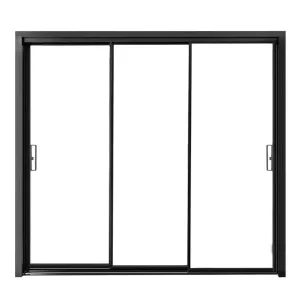
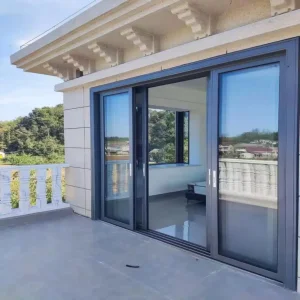
In contemporary architectural design, the integration of custom door transom windows represents a critical intersection of structural engineering, aesthetic refinement, and environmental control. Historically utilized as a primary method for passive ventilation and daylighting before the advent of mechanical HVAC systems, transom windows have evolved into highly engineered fenestration components. Today, they serve a dual purpose: enhancing the visual scale of entryways and optimizing the building envelope's thermal performance.
For global architects, developers, and procurement managers, sourcing custom door transom windows from premier Chinese manufacturers offers a unique competitive advantage. By leveraging advanced manufacturing hubs in regions like Zhejiang, projects can achieve bespoke architectural configurations—ranging from monumental arched transoms to minimalist, thermally broken structural glazing—at a scale and precision that meets rigorous international standards. This whitepaper provides an in-depth analysis of the technical parameters, structural requirements, and global compliance frameworks that define high-performance custom transom windows.
Modern custom transom windows are no longer merely decorative glass inserts. They are fully integrated structural elements designed to manage wind-load distribution, thermal bridging, and acoustic attenuation across high-traffic entryways in both commercial and high-end residential projects.
When specifying custom door transom windows for large-scale developments, engineers must address several macro-level structural and environmental challenges. The interface between a door frame and its overhead transom is a critical point of potential structural deflection and thermal leakage.
Utilizing multi-cavity polyamide thermal barriers (such as Technoform) to minimize heat transfer, achieving U-factors as low as 0.28 Btu/h·ft²·°F in extreme climates.
Reinforced mullion profiles engineered to withstand high wind pressures (up to DP50 or higher), essential for coastal installations and high-rise structures.
Integration of laminated acoustic glass layers with PVB/SGP interlayers, achieving STC ratings up to 45 dB for urban and airport-adjacent zones.
To meet the diverse energy codes of global markets, manufacturers offer custom glazing units (IGUs) tailored to specific solar heat gain coefficients (SHGC) and visible light transmittance (VLT) requirements:
The global market for custom architectural fenestration has experienced a significant shift toward highly integrated systems. China has established itself as the premier manufacturing hub for these systems, driven by massive investments in CNC precision machining, automated powder coating lines, and advanced glass processing facilities. The Zhejiang industrial cluster, in particular, has emerged as a center of excellence for high-end security doors, smart entryways, and custom transom window integration.
By consolidating the supply chain—from raw aluminum extrusion to precision glass tempering and hardware integration—Chinese factories can offer unmatched customization capabilities. This vertical integration allows for the cost-effective production of complex architectural shapes, such as segmented arches, gothic transoms, and seamless curtain-wall integrations, which would be cost-prohibitive in Western domestic markets.
One of the primary hurdles for international procurement of custom fenestration is ensuring strict compliance with local building codes. A premium manufacturer must provide comprehensive engineering support to validate that custom door and transom assemblies meet or exceed regional performance mandates.
For projects in North America, custom transom windows must comply with the AAMA/WDMA/CSA 101/I.S.2/A440 standard (NAFS). This includes rigorous testing for air infiltration, water penetration resistance, and structural load capacity. Furthermore, thermal performance must be certified by the National Fenestration Rating Council (NFRC) to ensure compliance with local energy codes (IECC).
In hurricane-prone regions such as Florida and the Gulf Coast, assemblies must undergo impact testing (ASTM E1886/E1996) to achieve High Velocity Hurricane Zone (HVHZ) certification.
In the European Union, products must carry the CE Mark, demonstrating compliance with EN 14351-1. This covers mechanical strength, water tightness, and thermal transmittance (U-value calculations according to EN ISO 10077-1).
For the Australian and New Zealand markets, compliance with AS 2047 (specifying performance requirements for windows) and AS 1288 (glass in buildings selection and installation) is mandatory. Chinese factories exporting to these regions utilize specialized testing rigs to pre-verify structural deflection under positive and negative wind pressures.
Custom door transom windows are highly versatile components adapted to various architectural typologies:
The fenestration industry is undergoing a rapid technological transformation. The integration of smart building systems and sustainable materials is shaping the future of custom door and transom designs:
Integration of dynamic glass that tints automatically in response to sunlight, reducing solar heat gain and glare without the need for blinds or shades.
VIG technology achieves the thermal performance of triple glazing in a profile thin enough for historical restoration projects, boasting U-values under 0.10.
Transitioning to recycled aluminum alloys extruded using renewable energy sources, significantly reducing the embodied carbon of the building envelope.
Zhejiang Vero Door Co., Ltd. is a privately-owned modern group company dedicated to the research, development, design, production, installation, sales, and service of high-end door products. Established with a vision to merge innovation with tradition, we are committed to offering products that not only meet the highest quality standards but also reflect the beauty and elegance of both Eastern and Western cultures. Our growth is powered by a highly skilled team of professionals, led by innovative technical talents who drive the unique design philosophies that define our brand.
We are proud of our commitment to innovation and craftsmanship. Since the inception of our factory in 2012, we have employed cutting-edge manufacturing techniques from Zhejiang to continuously push the boundaries of design. Our team of expert designers has worked diligently to merge Chinese cultural elements with Western civilization, creating products that reflect the timeless values of the East while meeting the needs of contemporary homes.
As an industry leader in the production of high-end security doors, smart doors, cast aluminum doors, and rock slab doors, Vero Door remains dedicated to creating products that blend oriental aesthetics, western craftsmanship, traditional brushwork, and modern technology. The result is the creation of a distinctive high-tech entrance door brand that resonates with our customers' evolving tastes and demands.
With 14 years of experience, we specialize in offering one-stop service, from initial design to final installation and after-sales support. Our 13,000-square-meter industrialized plant and highly efficient workforce of over 100 frontline employees, coupled with a dedicated team of designers and office staff, ensure that we are always ahead of the curve in the industry. Our factory has evolved from manufacturing steel entry doors to now offering a comprehensive range of products tailored to diverse market needs.
Vero Door's continued commitment to excellence is reflected in our ability to handle a broad spectrum of product requirements, ranging from bulk inventory to custom-made orders. With a robust supply chain, our company is equipped to meet the varied needs of the market, providing doors that deliver both security and aesthetic appeal.
At Vero Door, we don’t just manufacture doors—we craft timeless works of art that elevate the experience of entering your home. Whether you're looking for cutting-edge smart doors or beautifully designed security solutions, we guarantee products that will transform the entrance to your home into an expression of style, elegance, and protection.

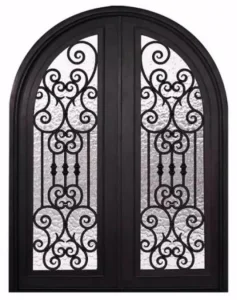
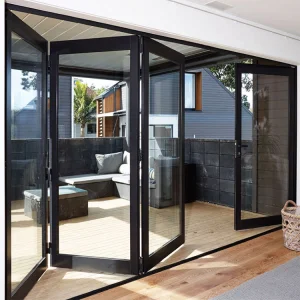
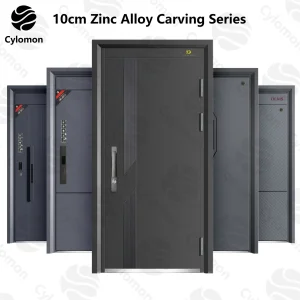
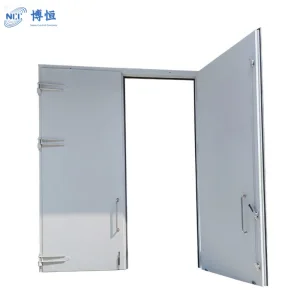
Oversized transoms above pivot doors require a reinforced horizontal mullion (transom bar) to absorb the dynamic forces generated by the door's operation. Because pivot doors transfer their weight to the floor spindle, the header must be engineered to prevent deflection under wind load, ensuring that the deflection does not exceed L/175 or 3/4 inch, per ASTM E330 standards.
Thermally broken aluminum profiles feature a low-conductive polyamide barrier placed between the interior and exterior aluminum extrusions. This barrier interrupts the thermal bridge, significantly reducing conductive heat transfer. When paired with high-performance triple-pane IGUs, this configuration can lower the overall U-factor of the fenestration system to below 0.30 W/m²K.
Yes, modern custom transoms can be equipped with motorized chain actuators concealed within the aluminum profiles. These actuators can be integrated into building management systems (BMS) or smart home hubs via Z-Wave or KNX protocols, allowing for automated natural ventilation based on indoor air quality, humidity, or temperature sensors.
For high-security and acoustically sensitive applications, we recommend a laminated glass configuration utilizing a SentryGlas (SGP) interlayer or a multi-layer PVB acoustic interlayer. A typical setup would be a 6mm tempered outer pane, a 12mm Argon-filled cavity, and a 10.76mm (5+5.2) laminated inner pane. This setup provides excellent forced-entry resistance and achieves an STC rating of 42-45 dB.
Leading manufacturers like Zhejiang Vero Door Co., Ltd. collaborate with international testing laboratories (such as Intertek or SGS) to perform physical testing and thermal simulations (using THERM and WINDOW software). These tests verify compliance with NFRC 100/200/500 and EN 14351-1 standards, providing certified test reports and CE declarations of performance for global projects.
For coastal installations, we recommend Qualicoat Class 2 or Class 3 powder coatings, or high-performance PVDF (fluorocarbon) coatings with a minimum thickness of 50 microns. These finishes offer superior resistance to salt spray, UV degradation, and chemical exposure, complying with AAMA 2605 specifications to ensure long-term aesthetic and structural durability.