Cold weather can bring various challenges, one of which is the frustrating issue of sticking door handles. As the temperatures drop, many homeowners find themselves asking, "Why is my door handle sticking in cold weather?" This question has been addressed by expert locksmith, Sarah Johnson, who emphasizes, "Humidity, temperature changes, and poor lubrication are often the culprits."
When temperatures fall, materials contract. This can lead to misalignments in door handles. The metal components might stick together, causing inconvenience. Furthermore, moisture can freeze in the mechanism, making it harder to operate. These factors often go unnoticed until the cold weather hits.
Understanding this issue is important for anyone who relies on their doors daily. An effective solution often involves regular maintenance and attention to detail. Simple actions like lubrication might seem trivial, but they can make a significant difference. Handling these problems proactively can save you from frustration, allowing your home to remain welcoming even in the coldest months.
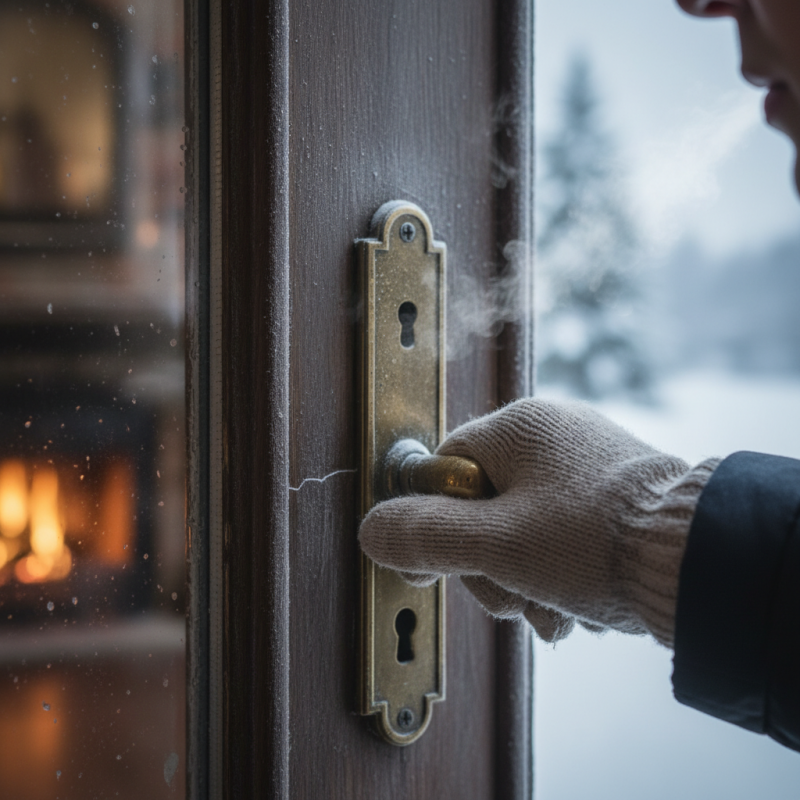
Tips for Identifying Common Causes of Sticking Door Handles in Cold Weather
Cold weather can lead to frustrating issues with door handles. Understanding the common causes can help you address the problem effectively. One primary issue is moisture. High humidity can condense on door surfaces, causing ice or frost to form. This ice can freeze door handles, rendering them nearly unusable. Regularly checking the door area for moisture accumulation is a simple step to prevent this.
Another factor is temperature changes. Materials like metal or wood expand and contract with temperature fluctuations. This can create a misalignment between the door handle and the latch. If you notice resistance when turning the handle, it may be indicative of this issue. Practicing patience while assessing the situation is essential. Avoid forcing the handle, as this may lead to damage.
Lastly, lubrication can often be a helpful remedy. In low temperatures, lubricants can become thick or ineffective. Applying a suitable grease or silicone spray might help; however, ensure they are rated for cold weather to avoid further complications. Awareness of these common causes will empower you to keep your door handles functioning smoothly, even in the heart of winter.
Understanding the Impact of Temperature on Door Handle Mechanisms
Cold weather can have a significant impact on door handle mechanisms. When temperatures drop, materials like metal and plastic can contract. This contraction may result in tighter fitting parts, causing door handles to become stiff or even stick altogether. A common issue is the lubricant inside the door handles thickening. This can lead to frustration when trying to open or close doors smoothly.
Another factor to consider is moisture. Cold air holds less moisture, which can lead to condensation forming on door handles. When moisture freezes, it can create additional sticking points. Inconsistent temperature changes might also cause ice to build up, further complicating the situation. It's essential to regularly check door handles during winter months. Taking preventive measures can save you from having to deal with unexpected issues when you're in a hurry.
You might find that using a silicone-based lubricant helps ease the movement of handles. However, be cautious with over-application; too much can attract dirt and grime. Always keep an eye on the condition of your door handles. Small adjustments can make a big difference in cold weather.
10 Tips to Fix Sticking Door Handles in Cold Weather
| Tip Number |
Solution |
Description |
Expected Outcome |
| 1 |
Lubricate Handles |
Apply silicone-based lubricant to door handles. |
Smoother operation, reduced sticking. |
| 2 |
Check for Ice Build-Up |
Inspect handles and locks for ice formations. |
Easier grip, prevents breakage. |
| 3 |
Adjust Handle Mechanism |
Tighten screws or replace worn parts. |
Improved function, better fit. |
| 4 |
Warm Up Door Area |
Use a space heater near the door to warm it up. |
Eliminates freezing, easier access. |
| 5 |
Seal Gaps |
Use weather stripping around the door. |
Reduces cold air intrusion, less freezing. |
| 6 |
Replace Handles |
If handles are damaged, consider replacing them. |
Restores full functionality. |
| 7 |
Use Warm Water |
Pour warm (not hot) water over the handle. |
Melts ice quickly, restores access. |
| 8 |
Check for Misalignment |
Ensure door is properly aligned in its frame. |
Improves handle ease of use. |
| 9 |
Regular Maintenance |
Perform regular checks on door mechanisms. |
Prevents future sticking issues. |
| 10 |
Consult a Professional |
If issues persist, seek expert advice. |
Long-term solution for stubborn problems. |
Recommended Lubricants for Preventing Cold Weather Sticking Issues
Cold weather can turn daily tasks into frustrating challenges, especially when door handles stick. A study conducted by the National Institute of Standards and Technology found that temperatures below 32°F can significantly impact the functionality of door hardware. This is often due to moisture freezing in mechanized parts. To counteract this, using the right lubricants is essential.
Silicone-based lubricants are recommended for cold weather. They repel water and don't freeze like oil-based alternatives. Reports indicate that silicone can maintain performance at temperatures as low as -50°F. Applying silicone spray to the internal mechanisms of door handles can prevent sticking issues. Graphite powder is another viable option. It reduces friction without attracting dirt and grime, keeping handles functional even in frigid conditions.
Regular maintenance can make a difference too. Ensure door handles are cleaned of any debris that can exacerbate sticking issues. Some users overlook this step, leading to unnecessary replacements. It may be helpful to lubricate handles regularly, especially before the onset of winter. This simple task can save you from the hassle of dealing with stuck door handles when you need them most.
Maintenance Techniques for Smooth Door Handle Operation in Winter
Cold weather can really affect door handles. If they stick, it can be frustrating. Here are some practical maintenance techniques to try.
Start by checking for moisture. Water can freeze around the handle. Wipe the area dry. Applying a silicone spray or graphite lubricant can help. These substances repel water and reduce friction. Be careful not to use too much. A little goes a long way in ensuring smooth operation.
Regular inspection of the door handle is key. Look for rust or damage on metal parts. These can worsen in cold temperatures. If you spot rust, use fine sandpaper to gently remove it. After sanding, apply paint or rust protection to prevent further issues. Keeping the door frame aligned is also essential. Misalignment can lead to the handle sticking, especially after a freeze. Adjusting the hinges may be necessary to improve functionality.
The Role of Humidity Levels in Door Handle Performance during Cold Months
Cold weather brings unique challenges for door handles, often leading to sticking issues. Humidity plays a significant role in this problem. As temperatures drop, moisture in the air condenses. This moisture can freeze, creating a layer of ice around the door handle mechanism. Thus, the handle may become difficult to operate.
When humidity levels are high, extra moisture can exacerbate the sticking issue. Wood doors can swell due to this moisture, making it hard for handles to turn freely. In contrast, lower humidity may cause wood to dry out, leading to gaps that can also interfere with handle function. It's a tricky balance. Regular maintenance can prevent these problems but is often overlooked during busy winter months.
Understanding these factors can help homeowners anticipate winter woes. Regularly checking door functionality before the chill sets in is wise. However, it's easy to forget, especially when dealing with other winter preparations. Keeping door lubricants on hand can serve as a quick fix for sticky handles, yet it requires routine awareness and effort. Recognizing humidity's role in your door's performance is the first step to avoiding frustration.
FAQS
: Moisture accumulation can freeze on door surfaces, causing handles to become unusable.
Materials like metal or wood expand and contract, leading to misalignment of the handle and latch.
Assess the situation patiently and avoid forcing the handle, as it may cause damage.
Silicone-based lubricants work well; they repel water and stay effective in low temperatures.
Regularly clean the handle and apply a small amount of lubricant, especially before winter.
Yes, routine inspection and maintenance can prevent sticking issues and prolong the lifespan of handles.
Use fine sandpaper to remove rust and apply rust protection to prevent future issues.
Regularly check and wipe the door area dry to prevent freezing moisture buildup.
Non-cold-rated lubricants may thicken or freeze, leading to more sticking problems.
If the handle sticks after a temperature change, it may indicate misalignment needing adjustment.
Conclusion
In the winter months, many people find themselves asking, "Why is my door handle sticking in cold weather?" This phenomenon often occurs due to the contraction of materials and the effect of lower temperatures on the door handle mechanisms. Common causes may include ice buildup, moisture freezing within the handle, or lubrication that has thickened due to the cold.
To address these issues, it's essential to understand the impact of temperature on door mechanisms. Utilizing recommended lubricants specifically formulated for low temperatures can help prevent sticking. Regular maintenance techniques, such as ensuring that door handles are clean and free from debris, also play a vital role in ensuring smooth operation. Additionally, monitoring indoor humidity levels can contribute positively to the performance of door handles during cold months, reducing the likelihood of sticking.
 Vero Door
