Vero Door Vero Door

Can I Use a Smart Lock on a Rain Exposed Gate?

Time:2026-06-04 Author:Amelia
0%

When considering the question, "Can I use a smart lock on a gate that is exposed to rain?", it is essential to delve into both technical aspects and real-world applications. Rain exposure poses several risks to electronic devices, including smart locks. According to a report by the National Institute of Standards and Technology, moisture can significantly affect the performance and durability of electronics.

Expert in home automation, Dr. Emily Carter, emphasizes this concern. She states, "Choosing the right smart lock for outdoor use is crucial in maintaining security and functionality." Her insight reflects ongoing industry debates about weather-resistant technology. Products designed for outdoor use often undergo rigorous testing to ensure longevity against the elements.

While many smart locks claim to be weatherproof, their effectiveness can vary widely. Features like corrosion-resistant materials and robust sealing are critical. Therefore, consumers must research thoroughly. Some options may perform better than others, yet not all locks are created equal. Thus, understanding your specific needs can lead to better choices in securing gates exposed to rain. Balancing technology and environmental challenges remains a crucial consideration in the evolving landscape of home security.
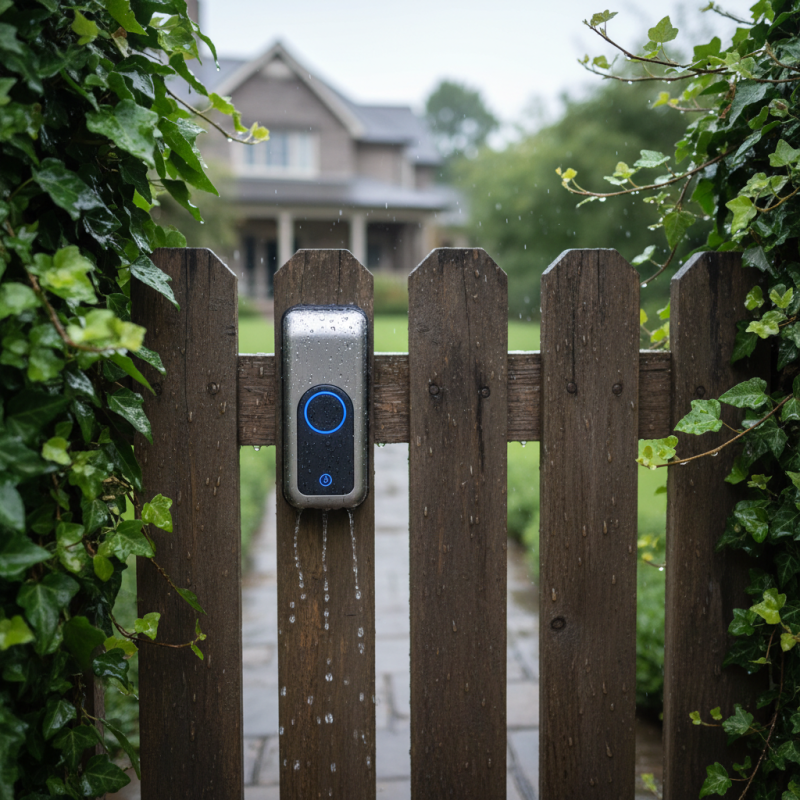
Can I Use a Smart Lock on a Rain Exposed Gate?

Understanding Smart Locks and Their Mechanisms

Smart locks offer innovative solutions for securing entry points. Understanding their mechanisms helps users make informed decisions. Typically, a smart lock uses electronic components to replace traditional keys. They often include Bluetooth, Wi-Fi, or Z-Wave technologies, which allow users to manage access remotely. Reports from the Electronic Security Association suggest that smart locks are increasingly popular, with sales projected to increase by 25% annually.

When considering a smart lock for a rain-exposed gate, it's essential to evaluate the lock's weather resistance. Many models are rated for outdoor use. However, they might still malfunction in extreme conditions. For example, moisture can corrode electronic components over time. A study by the Security Industry Association highlighted that improper installation can lead to vulnerabilities, potentially compromising security.

Users should also reflect on their installation environment. Smart locks must be well-sealed to prevent issues related to humidity. Moreover, connectivity may fluctuate in damp conditions. While the technology is convenient, it is not infallible. Regular maintenance, such as checking battery life and ensuring seals are intact, is crucial. Taking these steps helps maintain reliability under adverse weather conditions.

Assessing Weather Resistance of Smart Locks

When considering a smart lock for a rain-exposed gate, weather resistance is a critical factor. A smart lock’s durability against moisture is vital. Many options claim to be waterproof, but actual performance varies. It's essential to check ratings and certifications. Look for locks with IP ratings. An IP rating of 65 or above is preferable for rain exposure.

Tips: Use a lock that features a weather-resistant coating. This adds an extra layer of protection. Regular maintenance is crucial as well. Inspect seals and hinges periodically for wear. A simple check can prolong the lock's lifespan.

Be aware that heavy rain might challenge even the best locks. Water can seep in through tiny gaps. Consider installing a protective cover over the lock. This reduces exposure to direct rain. Don’t overlook the importance of the gate itself. Use materials that resist rust and corrosion.

Incorporating these factors can improve security and reliability. Smart locks blend technology with convenience. However, ensuring they're suited for outdoor conditions takes careful consideration.

Can I Use a Smart Lock on a Rain Exposed Gate? - Assessing Weather Resistance of Smart Locks

Smart Lock Model Weather Resistance Rating Water Resistance Level Temperature Range Battery Life in Rainy Conditions
Model A IP65 Resistant to water jets -20°C to 50°C 1 year
Model B IP67 Submersible up to 1m -10°C to 60°C 2 years
Model C IP54 Splash resistant 0°C to 40°C 6 months
Model D IP68 Submersible beyond 1m -30°C to 70°C 3 years

Choosing the Right Smart Lock for Outdoor Use

When considering a smart lock for a gate that faces rain, it’s crucial to look for specific features. Waterproof or weather-resistant locks are ideal for outdoor settings. Check the IP rating of the lock. An IP65 rating or higher will help keep moisture out. This protects the electronics inside the lock, enhancing durability.

Another aspect to consider is the power source. Many smart locks operate on batteries. If frequently exposed to rain, opt for a model with a long battery life. Additionally, some locks come with a backup key option. This provides an alternative for emergencies. Keep in mind that technology can fail, especially in harsh weather.

Material quality is also vital. Stainless steel construction can resist rust and corrosion. Some locks may look beautiful but may not withstand the elements. It's essential to acknowledge that even the best smart locks can have vulnerabilities. Doing thorough research ensures you choose a reliable product that meets your outdoor needs.

Installation Considerations for Rain-Exposed Gates

When considering a smart lock for a rain-exposed gate, various installation factors must be addressed. Rain can cause moisture buildup, which may affect the smart lock's electronics. Ensure that your lock is weatherproof and designed specifically for outdoor use. Look for options with high IP ratings to guarantee resilience against water exposure.

Choose a suitable location for the lock. Install it in a sheltered area if possible, like underneath an overhang. This minimizes direct rain contact. Additionally, regular maintenance is essential. Check for any signs of rust or corrosion. Replace batteries frequently to avoid sudden failures during a storm.

Tips: Use silicone sealant to protect keyholes and crevices. This enhances waterproofing and prolongs the lock's life. Consider installing a small awning over your lock to shield it from rain. It's a small investment for added protection.

Be aware that extreme weather conditions could still compromise your smart lock. Regular checks will help identify potential issues. The goal is to maintain a reliable locking mechanism, especially in harsh climates. Ensure that your chosen smart lock fits seamlessly with your gate design and operational needs.

Maintenance Tips for Smart Locks in Wet Environments

When using a smart lock on a rain-exposed gate, maintenance becomes crucial. Moisture can damage the internal components. Regular checks are essential. After heavy rain, inspect for water accumulation around the lock. Wipe it clean with a soft cloth. This simple action can extend the lock’s life.

Consider applying a waterproof sealant specific to electronics. It acts as a protective barrier. Furthermore, ensure the lock is positioned to minimize water exposure. Adjust it if it’s directly hit by rain.

Over time, the lock may develop rust or corrosion. Regular lubrication with a silicone-based product can keep it functioning smoothly.

Monitoring the battery life is also important. Humidity can affect battery performance. Replace batteries every 6 months to ensure reliability. In wet conditions, battery drainage can happen unexpectedly. Keep a backup key hidden nearby, just in case. This approach provides peace of mind while you maintain your smart lock.

FAQS

: How important is weather resistance for a smart lock on a rain-exposed gate?

: Weather resistance is crucial. Moisture can damage the lock's functionality.

What IP rating should I look for in a smart lock?

Look for an IP rating of 65 or higher for rain exposure.

How can I enhance my smart lock's weather resistance?

Use a weather-resistant coating. Regular maintenance also helps prolong its life.

What maintenance is required for outdoor smart locks?

Inspect seals and hinges regularly. Watch for signs of wear or corrosion.

Can heavy rain affect even the best smart locks?

Yes, water can seep through small gaps. Protective measures are necessary.

Where should I install the smart lock for the best protection?

Install it under a shelter, like an overhang, to minimize rain exposure.

What additional protection can be used for a smart lock?

Consider using silicone sealant and a small awning to reduce rain contact.

How often should I replace the batteries in my smart lock?

Replace batteries frequently to prevent failures, especially during storms.

What materials are best for gates in rain-prone areas?

Use materials that resist rust and corrosion to ensure longevity.

How can extreme weather impact my smart lock?

Extreme conditions might compromise its performance despite protective measures. Regular checks are important.

Conclusion

When considering the question, "Can I use a smart lock on a gate that is exposed to rain?", it is essential to understand the mechanisms and weather resistance of smart locks. Smart locks vary in their ability to withstand harsh weather conditions; therefore, selecting one that is specifically designed for outdoor use is crucial. Features such as water resistance ratings and robust materials are vital for ensuring durability against rain exposure.

Installation plays a significant role in the effectiveness of smart locks on rain-exposed gates. Proper installation helps minimize water intrusion, while regular maintenance can enhance longevity in wet environments. Cleaning, checking seals, and ensuring battery efficiency are important for optimal performance. By following these guidelines, you can safely use a smart lock on a rain-exposed gate, providing both security and convenience.

Amelia

Amelia

Amelia is a seasoned marketing professional with a wealth of expertise in our company’s core offerings. With an unwavering passion for driving growth and innovation, she plays a pivotal role in shaping our marketing strategies and enhancing brand visibility. A key aspect of her responsibilities......