Vero Door Vero Door

When to Replace Your Fire Rated Door Instead of Repairing it?

Time:2026-06-25 Author:Henry
0%

Fire-rated doors play a critical role in safety and compliance within buildings. They are designed to withstand flames and smoke, protecting lives and property. According to the National Fire Protection Association (NFPA), nearly 3,000 fires occur in commercial properties annually, highlighting the importance of maintaining fire safety measures. However, building managers often face a dilemma: "When should I replace my fire-rated door instead of repairing it?"

Industry expert Dr. Sarah Jenkins emphasizes, “A fire-rated door that shows significant wear and damage may pose more risk than a simple repair can address.” This insight underscores the necessity to evaluate the condition of fire-rated doors regularly. Signs of deterioration, such as warped frames or compromised seals, can lessen their effectiveness. In many cases, the cost of extensive repairs may eclipse the value of a robust replacement.

Each decision must weigh safety against expense. Aging doors may fail to meet current safety standards, making timely replacement vital. Building codes evolve, and compliance is paramount. Reflecting on past repairs is crucial; they might not only be inadequate but also lead to more costly future issues. Always prioritize safety in such decisions, as the consequences of neglect can be devastating. Your next choice could be a question of life or death.
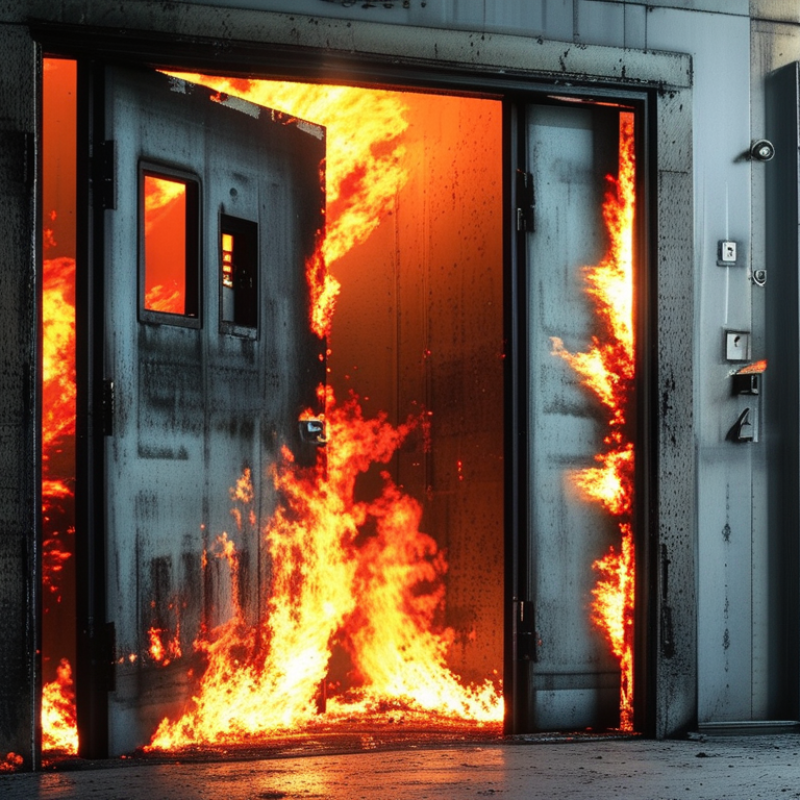
When to Replace Your Fire Rated Door Instead of Repairing it?

Factors Influencing the Decision to Replace Fire Rated Doors

When considering whether to replace or repair a fire rated door, several factors come into play. The National Fire Protection Association (NFPA) reports that fire doors are critical components in building safety, designed to contain smoke and flames. Doors that show significant wear, such as cracks or warping, often compromise this function. A replacement may be necessary if damage is beyond superficial repairs.

Another key consideration is compliance with fire safety regulations. Regular inspections are vital. According to the U.S. Department of Labor, workplace fires caused over $2 billion in property damage annually in recent years. The cost of failing to replace a door that no longer meets standards can far exceed replacement costs. If a door fails an inspection, its repair might not be enough to ensure safety compliance.

Finally, consider the door's age and history of repairs. A door that has been repaired multiple times may indicate it has reached the end of its lifespan. Reports from various fire safety agencies suggest that a well-maintained fire door should last between 20 to 30 years. If records show repairs over this period, a replacement should be seriously considered. Each situation can vary, making it essential to evaluate both the physical state of the door and its functionality within the fire safety plan.

When to Replace Your Fire Rated Door Instead of Repairing it? - Factors Influencing the Decision to Replace Fire Rated Doors

Factor Description Recommendation
Age of Door Doors older than 20 years may not meet current safety standards. Consider replacing to ensure compliance.
Level of Damage Severe damage can compromise the door's effectiveness. Replacement is often necessary for heavily damaged doors.
Functionality Inability to close or latch properly poses safety risks. Replace if repairs do not restore functionality.
Cost of Repairs If repair costs exceed 50% of replacement costs, consider replacement. Opt for replacement for better long-term value.
Compliance with Fire Codes Non-compliance can lead to legal issues and fines. Replace to meet modern fire safety codes.

Common Signs Indicating Repair May Be Insufficient

Fire-rated doors play a crucial role in ensuring safety during a fire. However, there comes a time when repair may not suffice. Recognizing when to replace these doors is vital. Common signs can indicate the need for replacement rather than repair.

A door that no longer fits its frame may allow smoke and flames to penetrate, reducing its effectiveness. Look for warping or gaps. If you notice these issues, consider a replacement. Additionally, persistent damage from everyday use could weaken the door. Cracks or rust spots can compromise its integrity, making repairs less reliable.

Another critical sign is the failure of door hardware. Rusted hinges or malfunctioning locks can prevent the door from closing properly. This compromise can pose significant risks during a fire. If the door does not function as intended, it is wise to replace it. Remember, safety should always take precedence. Evaluate these signs carefully to ensure the protection of occupants.

Industry Standards for Fire Door Longevity and Performance

Fire rated doors play a crucial role in maintaining safety in buildings. It's essential to understand how long these doors can last and when to replace them. According to industry standards, fire doors should be inspected regularly. Over time, wear and tear can compromise their effectiveness. A dent or a scratch might seem minor, but it can significantly weaken the door's integrity.

Typically, fire rated doors can last for about 20 to 30 years. However, exposure to elements, heavy usage, and poor maintenance can affect their lifespan. If a door shows signs of warping or corrosion, it might need replacement rather than repair. Small damages can often be fixed. Yet, continual repairs may not be reliable long-term.

It is important to consult fire safety regulations to determine specific requirements for your doors. Local codes can vary. Moreover, always seek advice from certified professionals. Their experience ensures that your fire rated doors will perform well in emergencies. Remember, regular evaluations are key to maintaining safety standards. If a door fails inspection, replacing it promptly is critical.

Cost Analysis: Replacement vs. Repair of Fire Rated Doors

When considering fire rated doors, the decision to repair or replace can significantly impact safety and costs. Repairing an existing door may seem cheaper upfront. However, according to industry experts, the long-term savings often favor replacement. A damaged fire rated door might lead to compromised safety, which can be costly in the event of a fire.

Repair costs can average between $300 to $800, depending on the extent of the damage. In contrast, replacing a fire rated door typically ranges from $1,000 to $2,500. When you account for potential safety risks and code compliance, replacement might be more economical over time. A study by the National Fire Protection Association indicates that 70% of fire incidents occur in facilities with inadequate fire protection measures.

**Tips:** Regular inspections can help identify damages earlier. Consider reviewing fire door tags, which indicate the last inspection date. Investing in training for staff to recognize signs of wear can also be beneficial. If a door has been repaired multiple times, replacing it might be wiser. It’s essential to weigh options with safety standards and longevity in mind.

Impact of Fire Door Condition on Safety Compliance and Liability

Fire-rated doors play a crucial role in maintaining safety and compliance within buildings. Their condition directly affects fire protection strategies. According to a National Fire Protection Association (NFPA) report, nearly 30% of fire-related casualties occur due to inadequate door safety measures. This highlights the need for proper maintenance and timely replacement of damaged fire-rated doors.

Regular inspections are vital. A door that has suffered significant wear or damage may not function as intended during a fire. If a door is missing its labels or has visible signs of wear, it can lead to liability issues for building owners. Research indicates that buildings with compromised fire doors face increased legal risks. The potential costs of fines or litigation can far exceed the expense of a proper door replacement.

Ignoring the condition of fire-rated doors can have dire consequences. A study by the Fire Safety Engineering Group shows that 55% of buildings fail fire door inspections due to issues like misalignment or damage. These factors can impede the door's performance, leading to catastrophic outcomes. Maintaining compliance is not only a legal responsibility but also a moral one.

FAQS

: What are the main factors influencing the decision to replace a fire rated door?

: Key factors include the door's condition, compliance with safety regulations, and its repair history.

How do I know if a fire rated door needs replacement?

Look for warping, cracks, or gaps in the door. These issues can significantly compromise safety.

What is the typical lifespan of a fire rated door?

Fire rated doors usually last between 20 to 30 years, depending on maintenance and usage.

When should I consider repairing a fire rated door instead of replacing it?

Small damages like scratches may be repairable. However, persistent issues often indicate the need for replacement.

Why is regular inspection important for fire rated doors?

Inspections help ensure doors meet safety standards. A door that fails might pose serious risks during a fire.

What signs indicate that repairs are insufficient for a fire rated door?

Failure of hardware, such as rusted hinges, and doors not fitting their frames are critical signs.

Can weather exposure affect the lifespan of fire rated doors?

Yes, prolonged exposure to elements can lead to warping or corrosion, necessitating replacement.

How can I ensure my fire rated doors perform well in emergencies?

Regular evaluations and consultations with professionals are essential for maintaining functionality and safety.

What should I do if I have a door that has undergone multiple repairs?

If a door has been repaired often, consider replacing it as it may have reached its lifespan.

What are the risks associated with non-compliance in fire door regulations?

Failing to comply can lead to severe safety risks and potential high costs in case of an incident.

Conclusion

Determining "When should I replace my fire-rated door instead of repairing it?" involves evaluating several critical factors. These include the door’s overall condition, any visible signs of damage that suggest repair may be insufficient, and adherence to industry standards for longevity and performance. Common indicators such as warping, rust, or failure to close properly can signal that a replacement is necessary to ensure safety compliance and mitigate liability risks.

A thorough cost analysis also plays a key role in the decision-making process. While repairs might seem economical initially, ongoing maintenance and the potential for compromised safety could make replacement a more prudent investment in the long run. Ultimately, understanding the implications of a fire door's condition is essential for ensuring it meets safety standards and effectively protects occupants in the event of a fire.

Henry

Henry

Henry is a dedicated marketing professional with a profound expertise in the company's offerings. With years of experience in the industry, he possesses an impressive understanding of the market dynamics and consumer behaviors that drive success. Henry is committed to sharing his insights through......