Vero Door
When it comes to enjoying fresh air and a scenic view, screen doors are a perfect choice. However, if you have pets, keeping them safe while maintaining your view can be tricky. Understanding how to pet-proof a screen door without blocking the view is essential for pet owners. A screen door should allow your furry friends to explore while preventing any escape attempts.
There are effective methods to create a pet-friendly zone that does not compromise on visibility. For instance, using durable screen materials can deter scratching or pawing while ensuring you still enjoy the outdoors. The design plays a crucial role in balance. Transparent barriers might be useful, but can sometimes obstruct the natural light.
Pet-proofing requires thoughtful consideration and sometimes trial and error. Finding that ideal solution may take time. Employing various techniques, such as strategic mesh placement and reinforced frames, might be necessary. Remember, each environment is unique, and what works for one pet might not suit another. So, remain flexible and ready to adapt your approach to best suit your needs.
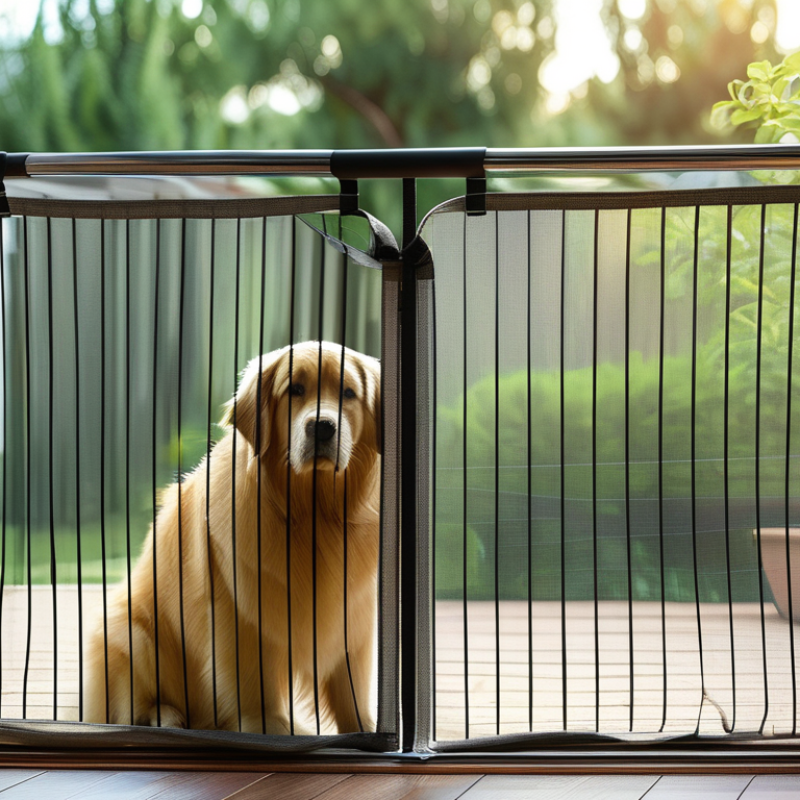
When choosing a screen door material, consider both durability and visibility. Aluminum is a popular choice, offering strength without obstructing the view. However, it can dent easily. On the other hand, fiberglass is a solid option. It resists tears and does not warp. This material lets the light in but may restrict airflow slightly.
You might also look into mesh options. Pet-resistant screens are specifically designed to withstand scratches and clawing. They maintain visibility while providing extra security against pet mischief. Keep in mind that these screens may not be as attractive as traditional options.
If your priority is visibility, transparent vinyl could be a good pick. This material offers a clear view but may not be the strongest choice against pets. Weigh the pros and cons carefully. Always reflect on your needs and the specific challenges posed by your pets. Prioritize materials that suit both your interior style and your furry friends' habits.
Effective locking mechanisms are essential for pet owners looking to secure a screen door while maintaining an unobstructed view. Research indicates that nearly 30% of pets will attempt to escape when they sense an opportunity. This statistic emphasizes the importance of reliable locking solutions. Installing a slide bolt lock or a hook-and-eye latch offers simple yet effective security. These locks can deter most pets, giving owners peace of mind while keeping their homes inviting.
Many pet owners overlook the potential for certain mechanical failures. A strong lock may wear out over time, leading to vulnerabilities. According to a report by the Animal Safety Foundation, approximately 15% of reported escapes involve failures in door locking mechanisms. Regular inspections can help identify weak points. Ensuring the door’s frame is in good condition can also enhance security. Consider adding a pet gate or screen door lock combo for added protection. These simple measures can significantly reduce the chances of escape.
Investing in a pet-proof screen door is important, but it is not foolproof. Pet behavior can be unpredictable. Using locks that require human intervention can help ensure pets do not inadvertently escape. It’s crucial to understand that even the best locks can fail under stress or through neglect. By taking a proactive approach, pet owners can maintain their views while keeping their furry friends safe.
Creating a pet-friendly screen door can enhance your living space while keeping an unobstructed view. Many pet owners struggle to find materials that are robust yet transparent. One effective solution is to use heavy-duty mesh screens. They offer durability against scratching and maintain a clear line of sight. The tighter the weave, the better the resistance to damage, which is crucial for active pets.
Another option is to explore retractable screen doors. These pull down when needed and disappear when not in use. This feature allows for an airy feel and keeps pets safe inside. Consider using pet-specific screen door guards. These guards can protect the screen mesh from curious paws while allowing ample visibility.
Creating a pet-proof environment doesn't have to compromise aesthetics. While achieving clarity and durability, it’s essential to monitor wear and tear over time. Regularly check for holes or loose fittings in the screens. Small damages can escalate if left unattended. Moreover, consider adjusting the height of your screen door to prevent jumping pets from reaching it. Engaging pets with toys nearby can also reduce their urge to scratch the door.
Securing your screen door for pets can enhance your home’s aesthetics and functionality. A crucial addition is using reinforced mesh screens. According to data from the American Pet Products Association, 65% of U.S. households own pets, and many face challenges in protecting their screens. Reinforced mesh, designed to withstand scratches and impacts, can help maintain your view while ensuring durability.
Consider integrating pet-friendly latches and locks. A report showed that 56% of pet owners worry about accidental escapes. Childproof locks serve well for pets, preventing them from inadvertently opening doors. Additionally, installing a pet door can offer your furry friends freedom while keeping the primary screen intact. Experts suggest that installing a vertical toggle latch may prevent even the cleverest pets from breaching barriers.
Incorporate decorative elements like vertical strips or window films for aesthetics. Research indicates that 70% of homeowners prefer screens that enhance their home’s look. Vertical strips can help deter pets while providing a stylish touch. It's essential to balance style with functionality, as pets often test boundaries. Learning from practical trials can lead to a more pet-friendly environment.
Maintaining a screen door is vital for both functionality and clarity of view. Regular cleaning is essential. Studies show that nearly 90% of screen door issues stem from dirt and debris buildup. A simple routine of washing the screen with soap and water can prevent major obstructions. Use a soft brush to remove dust. Frequent cleaning keeps the screen crisp and enhances visibility.
In addition to cleanliness, inspect the door frame and mesh regularly. Look for any tears or wear. A study by the Home Improvement Research Institute noted that 75% of homeowners overlook minor damages, which can lead to costly replacements later. Applying a UV-protectant spray can also extend the lifespan of the mesh. This is particularly useful in sun-heavy regions where screens can degrade quickly.
Lastly, consider pet-related wear. Pets can scratch and pull at the screen. A pet safety guard can be effective but may alter views slightly. Balancing functionality and aesthetics requires reflection on priorities. Some homeowners choose to live with slight imperfections rather than investing in replacements.
| Method | Description | Maintenance Tips |
|---|---|---|
| Use a Screen Door Guard | Install a protective guard to prevent pets from pushing through. | Check regularly for wear and tear. |
| Choose Pet-Resistant Screens | Opt for screens made of tough materials that resist tearing. | Inspect for damage every few months. |
| Install a Barrier | Use baby gates or barriers to limit access to the screen door. | Ensure barriers are securely attached. |
| Train Your Pet | Teach pets to respect the screen door and not jump at it. | Reinforce good behavior with rewards. |
| Use Magnetic Screen Doors | Install a magnetic screen that opens easily for pets. | Ensure magnets are functioning properly. |
| Regular Cleaning | Keep screens free of dust and pet hair for clear views. | Clean weekly with a gentle cloth. |
| Use Window Film | Apply window film to prevent scratches and add privacy. | Replace film as needed. |
| Seal Gaps | Ensure there are no gaps where pets can push through. | Inspect seals regularly for gaps. |
| Install Sliding Screen Doors | Consider replacing traditional screens with sliding options. | Check for smooth operation. |
| Check Hardware | Ensure all door hardware is secure and functioning. | Tighten screws and replace worn parts. |
: Heavy-duty mesh screens are effective. They resist scratching and provide a clear view.
They pull down when needed and disappear when not in use. This keeps pets secure.
Use pet-specific screen door guards. They protect the mesh while allowing visibility.
Regularly monitor for holes and loose fittings. Small damages can worsen if ignored.
Yes, adjusting the height can prevent pets from jumping and reaching it.
Consider reinforced mesh and childproof locks to prevent pets from opening doors.
Vertical strips or window films can enhance appearance while deterring pets.
Providing toys nearby can distract pets and reduce their urge to scratch.
When considering how to pet-proof a screen door without blocking the view, it's essential to focus on key elements that ensure both safety and visibility. Start by choosing the right screen door material—durable yet transparent options allow pets to interact with the environment while maintaining an unobstructed view. Effective locking mechanisms are crucial to prevent any potential escapes, while pet-friendly screen designs enhance security without sacrificing aesthetics.
Additionally, incorporating accessories like pet gates and weighted screens can further enhance pet proofing measures. Routine maintenance is equally important to keep the screen door functional and clear, ensuring that it remains an effective barrier against pets while providing an open line of sight. By following these guidelines, pet owners can achieve a harmonious balance between safety and visibility at their homes.
