In coastal regions, hurricanes pose a significant threat. Understanding "What makes a door hurricane-proof in high-wind zones?" is crucial for homeowners and builders. According to the National Oceanic and Atmospheric Administration (NOAA), about 39% of hurricanes make landfall in the United States, highlighting the need for resilience. High-wind zones require doors that can withstand severe conditions, with winds exceeding 130 miles per hour.
Hurricane-proof doors are designed with specific features. These include reinforced frames, impact-resistant glass, and a tight seal to prevent water intrusion. The American Society for Testing and Materials (ASTM) sets standards for such doors. They mandate that doors undergo rigorous testing against wind pressure, flying debris, and water penetration. Compliance with these standards is essential for safety.
However, challenges remain. Some homeowners may prioritize aesthetics over functionality, leading to poor choices. Additionally, regional building codes vary, sometimes resulting in counterfeit doors being sold as hurricane-proof. Education and awareness are vital to ensure that consumers make informed decisions. This is not just about safety; it's about protecting one’s investment and loved ones during a storm.
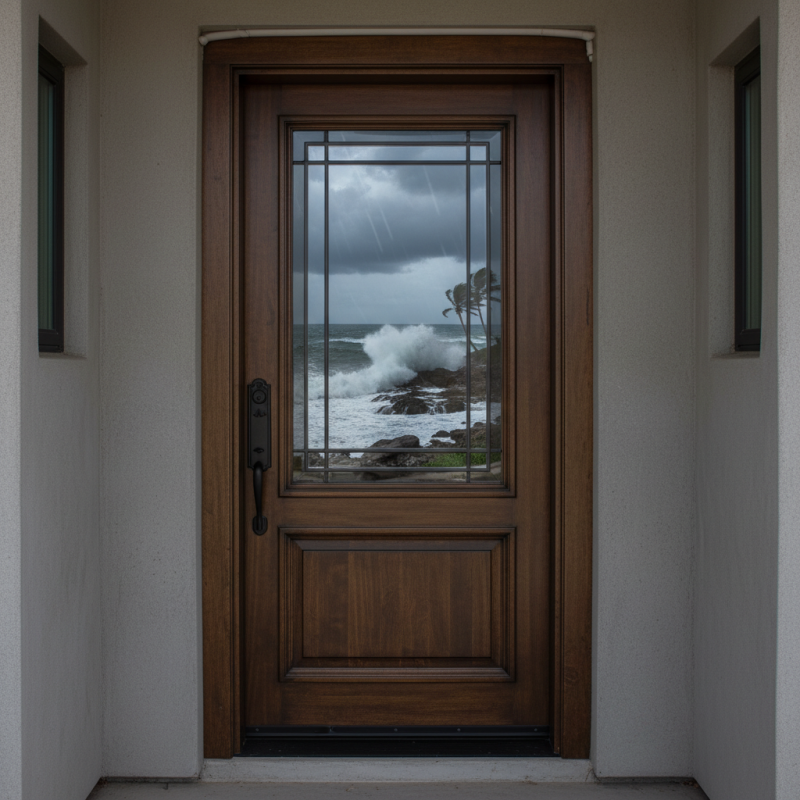
Understanding Hurricane Proof Doors in High Wind Zones
Choosing hurricane-proof doors in high wind zones is crucial for safety and property protection. These doors must be strong, resilient, and well-designed. They typically include a core made of sturdy materials like fiberglass or steel. This construction can withstand the intense pressure and impacts generated by hurricanes. Additionally, door frames should be reinforced to maintain stability during severe weather.
The installation process is equally important. Proper sealing and alignment can prevent wind and water intrusion. Using impact-resistant glass further enhances the door’s ability to resist flying debris. These design features create a robust barrier. However, inconsistent installation practices can compromise effectiveness. Homeowners must ensure that professionals are skilled and knowledgeable.
Regular maintenance also plays a role. Even the best doors need care to stay effective. Failing to inspect for wear can lead to vulnerabilities when a storm approaches.
Key Materials Used in Hurricane Resistant Door Construction
When considering hurricane-resistant doors, the materials play a crucial role. Fiberglass is a popular choice, as it combines strength and durability. It can withstand high winds and impacts, making it ideal in hurricane zones. Steel doors provide added security and rigidity. These doors resist bending under pressure, which helps prevent damage.
In addition to the main materials, construction methods also matter. Doors should have multi-point locking systems for an extra layer of security. Some designs include reinforcements along the edges to withstand intense forces. Sometimes, manufacturers cut corners to save costs, which can compromise safety.
Choosing the right door requires careful consideration. Not all fiberglass or steel doors are made equal. Shoddy craftsmanship can lead to future problems. It’s essential to examine certifications and local building codes. Ensuring compliance can prevent costly repairs later on. Investing in quality materials and construction leads to better protection in harsh weather.
Design Features of Effective High Wind Zone Doors
When selecting a door for high wind zones, several design features create hurricane-resilient solutions. According to the National Hurricane Center, doors must withstand pressures exceeding 50 psf in these areas. Robust frames are essential. They should be made from reinforced materials like fiberglass or heavy-duty steel. These materials resist swaying and deformation during intense storms.
Impact-resistant glazing is another critical factor. This window feature can endure flying debris, which is a common hazard in hurricanes. Studies indicate that about 90% of wind damage occurs from debris breaches. Specifying shatterproof glass assures occupants of pressure stability and long-term safety. Proper sealing techniques also enhance a door's performance. Well-fitted doors with high-quality seals prevent wind intrusion.
While these features are pivotal, not every installation guarantees safety. Many homeowners overlook maintenance. Regular inspections can identify vulnerabilities. Missing seals or weakened frames can compromise a door’s effectiveness. Testing doors in wind tunnels has shown that even minor defects can result in failure. Hence, evaluating design features without neglecting regular upkeep is crucial in high wind zones.
What makes a door hurricane proof in high wind zones? - Design Features of Effective High Wind Zone Doors
| Design Feature |
Description |
Benefits |
| Reinforced Frame |
A stronger door frame made of steel or reinforced materials to withstand high winds. |
Increased durability and resistance to impact, reducing the risk of breakage. |
| Impact-Resistant Glass |
Specialized glass designed to remain intact during strong winds and debris impact. |
Prevents breach and maintains security while allowing visibility. |
| Weather Sealing System |
Sealant applied around the door to prevent water and air infiltration during storms. |
Enhanced energy efficiency and protection against water damage. |
| Multi-Point Locking Hardware |
Locking mechanisms that engage at multiple points for better security. |
Increases resistance against forced entry and helps secure the door during storms. |
| Wind Load Rating |
A certification indicating the door's ability to withstand specific wind speeds. |
Ensures compliance with local building codes and safety standards. |
Installation Techniques for Maximum Wind Resistance
To ensure a door can withstand hurricane conditions, proper installation techniques are crucial. The first step is to choose the right materials. Strong, durable materials like fiberglass or reinforced steel provide the best resistance. Sealing the door tightly within its frame is also necessary. Gaps can be weaknesses, allowing wind and water to seep through.
Using specialized hardware can enhance wind resistance. Heavy-duty hinges and locks are essential for securing the door. Properly installed threshold systems also make a big difference. They help prevent water intrusion during heavy rain. Pay attention to how the door aligns with its frame. Misalignment can lead to vulnerabilities during high winds.
While these techniques offer significant protection, they are not foolproof. Even the best installations may need improvement. Regular inspections and maintenance can reveal weaknesses. Sometimes, it’s easy to overlook small wear and tear. Keeping an eye on components can prevent failures when it matters most.
What Makes a Door Hurricane Proof in High Wind Zones?
Regulatory Standards for Hurricane Proof Doors in Vulnerable Areas
In high wind zones, regulatory standards play a crucial role in identifying what makes a door hurricane proof. Local building codes typically establish criteria for materials, wind resistance, and design features. These standards ensure that doors can endure the powerful forces of a hurricane. Compliance is essential for safety and for reducing property damage.
Tips: Consider the material of your door. Fiberglass and steel often provide better resistance than traditional wood. Check for impact ratings on doors to ensure they meet specific wind resistance standards. Many areas require doors to withstand winds of up to 130 mph. Understanding these requirements can help you make informed decisions.
The installation process is equally important. A poorly installed door, no matter how strong, can be vulnerable. It's vital to use appropriate hardware and ensure proper sealing. Also, reflect on the door's orientation in relation to prevailing winds. Some doors may face more strain depending on their placement. Observing these details can enhance resilience against extreme weather events.
Conclusion
What makes a door hurricane-proof in high-wind zones? This question underscores the importance of understanding the various elements that contribute to the resilience of doors against powerful storms. Key materials such as impact-resistant glass, reinforced frames, and sturdy cores are essential in constructing doors capable of withstanding high wind pressures. Additionally, specific design features—like aerodynamic shapes and secure locking mechanisms—enhance their effectiveness in preventing wind and debris intrusion.
To ensure maximum wind resistance, proper installation techniques are crucial. This includes adhering to guidelines that secure the doorframe to the building structure and using appropriate fasteners. Furthermore, regulatory standards in vulnerable areas dictate minimum performance criteria for hurricane-proof doors, ensuring that they can adequately protect homes during severe weather. By considering these factors, homeowners can make informed decisions about the doors that will keep their properties safe in high-wind zones.
 Vero Door
