Vero Door Vero Door

How to Fix a Sagging Heavy Steel Door?

Time:2026-10-07 Author:Amelia
0%

A sagging heavy steel door rarely fails without warning. You may notice a scrape near the threshold, a widening gap at the top, or a latch that suddenly misses its strike plate. These small changes often indicate hinge wear, loose fasteners, frame movement, or excessive door weight. A careful inspection matters because steel doors can strain hinges and surrounding masonry. They are not ordinary interior doors.

How to adjust a sagging heavy steel door? The answer depends on the actual source of movement. Tightening hinge screws may help, but it will not repair stripped holes, bent hinges, or a distorted frame. In my experience, quick adjustments sometimes improve alignment for a week, then the problem returns. That is an important warning. Do not force the door upward or remove load-bearing hinge hardware without support.

This guide explains how to identify the defect, support the door safely, and make measured adjustments. It also considers hinge shims, replacement screws, frame alignment, and latch testing. Manufacturer instructions should guide any work involving fire-rated or security-rated doors. A qualified door technician is the safer choice when the frame is damaged, the door is unusually heavy, or hinges show cracking.

Small details reveal the cause. A bright rub mark on the threshold suggests clearance trouble. Uneven hinge gaps may point toward frame settlement. Use those clues before turning a wrench. Guessing can make alignment worse.
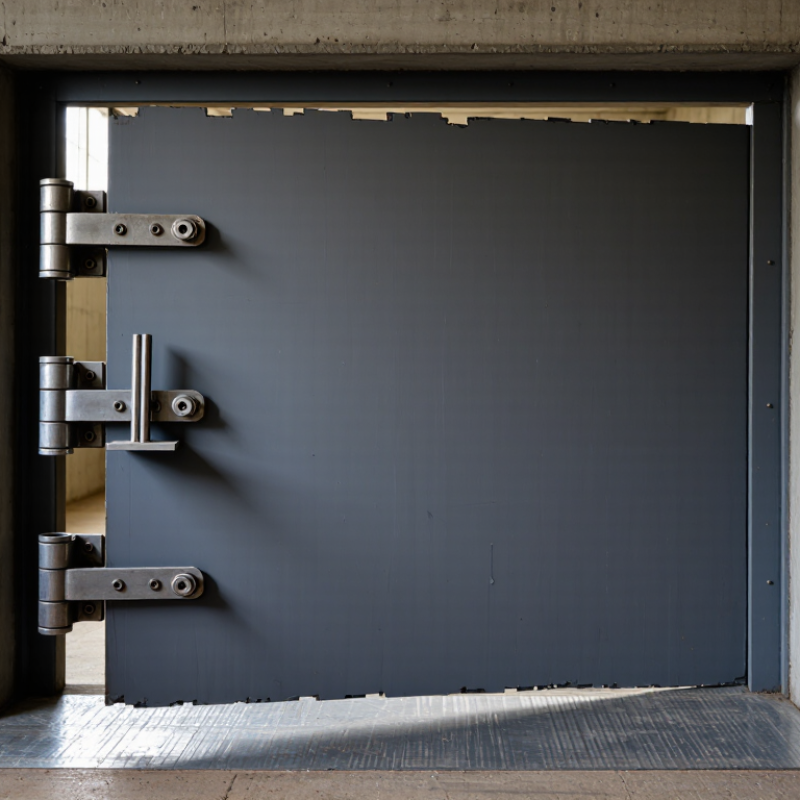
How to Fix a Sagging Heavy Steel Door?

Assess the Door and Identify the Cause of Sagging

A sagging heavy steel door should be assessed before any adjustment begins. Close it slowly and watch the top corner near the latch. A wide gap at the top hinge side often indicates hinge movement or frame distortion. A rubbing mark near the lower latch side supports that diagnosis. Do not rely on appearance alone. Measure the gaps with a ruler, and check whether the door frame remains plumb.

Inspect every hinge closely. Look for loose screws, elongated holes, cracked welds, or bent hinge leaves. Heavy doors can pull fasteners from soft framing over time. Place a level on the door’s edge and frame. If both lean, the wall or frame may have shifted. If only the door leans, the hinges are more likely responsible. Small differences matter.

Check the floor and threshold as well. Dirt, swelling, or a raised threshold can imitate hinge sagging. Open the door halfway and support its weight with a suitable door stand. If the door lifts noticeably, worn hinge pins or loose hinge connections may be involved. I have seen quick screw tightening fail because the underlying holes were damaged. That mistake wastes time. Stop if the frame twists, welds crack, or the door feels unsafe to support. A qualified door technician should assess structural repairs and confirm the frame can carry the door’s weight.

Gather the Tools and Prepare the Work Area

Before fixing a sagging heavy steel door, prepare the area as carefully as the hardware. Clear furniture, rugs, and loose tools from the swing path. Keep the doorway brightly lit. Place warning signs on both sides, especially in shared buildings. A heavy door can move suddenly when hinge tension changes.

Gather a four-foot level, socket set, hex keys, shims, a pry bar, flashlight, measuring tape, and a door support jack. Wear cut-resistant gloves, safety glasses, and protective footwear. Use two people for handling whenever possible. The U.S. Bureau of Labor Statistics reported more than one million nonfatal workplace injury and illness cases involving days away, restriction, or transfer in 2023. Sprains and strains remain common, so avoid carrying the door alone. Support the door before loosening hinge fasteners. Never rely on one loose screw or a thin wedge. That shortcut can fail.

Tips: Test the door before touching the hinges. Mark its current position with removable tape. Measure the gap at the top and latch side. A narrow top gap often confirms hinge-side sagging. Check the frame for loose anchors, cracked grout, or twisted metal. I still recheck the floor level; uneven flooring can imitate a hinge problem. Keep replacement screws nearby, but do not install them yet. Photograph each hinge and washer arrangement first. Small details are easy to forget.

Tighten, Shim, or Replace the Door Hinges

How to Fix a Sagging Heavy Steel Door?

A sagging steel door usually shows itself through a scraped threshold, uneven gaps, or a latch that misses the strike. Start with the hinges, not the frame. Support the door with a wedge, then check every screw for movement. Tighten loose screws with the correct driver, but do not overtighten them. Stripped holes may need longer structural screws or threaded repair inserts. A quick fix can fail.

Shim the hinge when the frame remains sound but the door leans toward the latch side. Thin steel shims behind the hinge leaf can restore alignment without twisting the frame. Add one shim at a time, close the door, and inspect the reveal along the jamb. A 3 mm change can noticeably improve a heavy leaf. Small adjustments matter.

Replace damaged hinges when the knuckle binds, the pin bends, or the leaf is visibly distorted. ANSI/BHMA A156.1-2021 testing rates Grade 1 hinges for 2.5 million cycles, while Grade 2 hinges are tested for 1.5 million cycles. That difference matters in busy entrances. Match hinge size, bearing type, screw pattern, and door weight. Never replace one hinge with a weaker substitute. I have seen a tightened hinge mask a twisted frame, so recheck the gaps after several openings. The repair is not finished if the latch still strikes hard.

Align the Door Frame and Adjust Its Position

A sagging heavy steel door often points to a shifted frame, not only worn hinges. Check the opening before removing any hardware. Close the door slowly and watch the reveal along the latch side. A narrow gap at the top usually shows that the frame has moved.

Support the door with a solid wedge or lifting jack. Do not let its full weight hang from one hinge. Use a level to check both jambs, then inspect the head for a slight tilt. Loosen the frame fasteners just enough to allow movement. Keep one fastener tight as a temporary pivot. My first adjustment was too small, and the door still scraped the threshold. Heavy frames often need patience.

Add thin, rigid shims behind the loose jamb near each fastener. Tap them in gradually while another person checks the door swing. Move the latch-side jamb outward if the top corner rubs. Move it inward if the latch no longer reaches the strike plate. Recheck the hinge-side jamb after every adjustment. A frame can look straight while remaining twisted. That detail is easy to miss.

Tighten the fasteners in stages, alternating between the upper and lower positions. Open and close the door several times. Listen for metal contact. If the gap changes during movement, the wall or frame may need further inspection by a qualified door technician. Do not force the door closed; that can bend the frame and hide the original alignment problem.

Test the Door and Prevent Future Sagging

A sagging heavy steel door should be tested before any adjustment begins. Open it halfway and release it carefully. If it drifts downward, the hinges or frame may be carrying uneven weight. Check the gap along the latch side. A narrowing gap near the top often confirms sagging. Watch the latch as it enters the strike plate. Scraping marks reveal where pressure has developed.

Use a level on the door edge and inspect every hinge leaf for movement. Tighten loose screws with the door supported, not hanging freely. For stripped holes, use longer structural screws only when the frame material can hold them securely. A temporary wedge beneath the door reduces stress during repairs. Do not force the door upward with excessive pressure. I once corrected the hinge position but ignored a weakened frame, so the problem returned within weeks.

Prevent future sagging by checking the door twice each year. Remove dust from the hinge knuckles and apply a suitable light lubricant sparingly. Keep the threshold clear, since trapped grit can increase closing resistance. Confirm that the closer, weather seal, and latch do not pull the door sideways. A heavy steel door may need reinforced hinge backing or professional alignment when movement continues. Test the door after every adjustment. It should swing smoothly, close without slamming, and latch without lifting the handle. Small changes matter.

How to Fix a Sagging Heavy Steel Door? - Test the Door and Prevent Future Sagging

Inspection Area How to Test Normal Result Warning Sign Recommended Action
Door-to-frame clearance Measure the gap along the hinge side, latch side, and top using a ruler or feeler gauge. A consistent gap, commonly about 3 mm (1/8 in) for many steel doors. The top latch-side gap is tight or the upper corner rubs the frame. Check the hinges first, then adjust the frame or door hardware as required.
Hinge screw condition Inspect every screw for movement, stripped threads, corrosion, or missing fasteners. All screws are present, tight, and seated firmly in sound material. Loose screws or a hinge leaf that shifts when the door is lifted. Tighten suitable screws. Replace damaged fasteners and repair enlarged holes with an appropriate method.
Hinge knuckles and pins Open the door about 90 degrees and check for side-to-side movement at each hinge. Minimal play with smooth, quiet movement. Visible wear, squeaking, binding, or excessive movement around the pin. Lubricate compatible hinges or replace worn hinges and pins with components rated for the door load.
Door leaf alignment Place a level on the hinge edge and check whether the door edge is plumb when closed. The hinge edge remains close to vertical and the door sits evenly in the frame. The latch-side top corner drops or the door appears twisted. Correct the hinge attachment before attempting to bend, plane, or cut the steel door.
Frame plumb and square Use a level on both jambs and measure the two diagonal frame dimensions. Jambs are close to plumb and diagonal measurements are nearly equal. A shifted or twisted frame causes rubbing even after hinge adjustment. Reset or reinforce the frame if necessary; do not force the door against a distorted jamb.
Latch and strike alignment Close the door slowly and observe whether the latch enters the strike without lifting or pushing the door. The latch engages smoothly without excessive handle force. The latch hits the strike plate or requires the door to be lifted. After correcting sag, realign the strike. Avoid using the latch to pull a misaligned door into position.
Door closer or overhead hardware Disconnect or inspect the closer arm according to its service instructions and test the door movement. The door opens and closes without side loading or abnormal resistance. A bent arm, excessive closing force, or incorrect mounting pulls the door out of alignment. Repair or remount the hardware. Use a closer suitable for the door size, weight, and traffic level.
Door weight and loading Check the door schedule or manufacturer documentation and inspect for added panels, mirrors, or hardware. The hinge quantity and capacity match the actual door load. New accessories have increased the load beyond the original hardware capacity. Remove unnecessary loads or have a qualified professional upgrade the hinges and reinforcement.
Floor and threshold clearance Open and close the door while checking the bottom edge, threshold, and floor for contact. The bottom edge clears the threshold consistently through the swing. The bottom latch-side corner scrapes or leaves visible wear marks. Remove debris, verify threshold position, and correct hinge sag before modifying the door edge.
Preventive maintenance interval Record inspections and review screw tightness, hinge wear, clearances, and closing action. Routine-use doors are checked at least every six months; high-traffic doors are checked more often. Small alignment problems are ignored until the door binds or fails to latch. Use a maintenance log and address loose hardware, corrosion, and abnormal wear early.
Safety note: Heavy steel doors can cause serious injury if they fall or swing unexpectedly. Support the door before removing hinge fasteners, and obtain professional assistance when the door is unusually heavy, fire-rated, security-rated, or structurally damaged.

FAQS

How can I tell whether a heavy steel door is sagging?

Close the door slowly and watch the top latch-side corner. A narrowing gap near the top often indicates sagging. Scraping marks near the latch also reveal pressure. Measure the gaps with a ruler. Do not trust appearance alone.

What should I inspect on the hinges?

Check every hinge for loose screws, enlarged holes, cracked welds, or bent leaves. Heavy doors can pull fasteners from soft framing. Small differences matter. A damaged hole may look harmless but reduce support.

How can I determine whether the frame has shifted?

Place a level on the door edge and the frame. If both lean, the wall or frame may have moved. If only the door leans, hinge movement is more likely. The diagnosis may still be uncertain.

Can the floor or threshold cause symptoms similar to sagging?

Yes. Dirt, swelling, or a raised threshold can resist closing. Clear trapped grit and inspect the threshold closely. A small obstruction can create noticeable pressure. Check this before changing hinge positions.

How should I support the door during inspection?

Open the door halfway and support its weight with a suitable door stand. A temporary wedge beneath the door can reduce hinge stress. Never work beneath an unsupported heavy door. Stop if it feels unstable.

What does a drifting door indicate?

Open the door halfway and release it carefully. If it moves downward, the hinges or frame may carry weight unevenly. Watch the latch enter the strike plate. Scraping shows where pressure has developed.

Should I simply tighten the hinge screws?

Tighten loose screws only while the door is supported. Longer structural screws may help when the frame material can hold them securely. Do not force the door upward. Quick tightening can fail when holes are damaged.

When should a qualified technician inspect the door?

Seek professional assessment if the frame twists, welds crack, or the door feels unsafe. Continued movement may require reinforced hinge backing or alignment. The frame must safely carry the door’s weight. Safety matters more than speed.

How can I help prevent future sagging?

Check the door twice each year. Remove dust from hinge knuckles and apply a small amount of suitable light lubricant. Keep the threshold clear. Confirm the closer, weather seal, and latch do not pull sideways.

How do I know the adjustment worked?

Test the door after every adjustment. It should swing smoothly and close without slamming. The latch should engage without lifting the handle. Small changes matter. Recheck the gaps after several days.

Conclusion

A sagging heavy steel door can make opening and closing difficult, cause uneven gaps, and place extra stress on the frame. This guide explains How to adjust a sagging heavy steel door? Start by inspecting the door, hinges, frame, and surrounding gaps to determine whether loose screws, worn hinge components, or frame movement is causing the problem. Prepare a clean work area and gather suitable tools, supports, shims, replacement screws, and other necessary hardware before beginning.

The repair may involve tightening hinge fasteners, adding shims to correct the door’s position, or replacing damaged hinges. If the frame has shifted, carefully realign it so the door sits squarely and moves freely. After making adjustments, test the door several times to confirm smooth operation, consistent spacing, and secure latching. Regularly checking hinge tightness, avoiding excessive force, and keeping the frame properly supported can help prevent future sagging and extend the door’s service life.

Amelia

Amelia

Amelia is a seasoned marketing professional with a wealth of expertise in our company’s core offerings. With an unwavering passion for driving growth and innovation, she plays a pivotal role in shaping our marketing strategies and enhancing brand visibility. A key aspect of her responsibilities......