Vero Door Vero Door

How to Fix a Sagging Heavy Steel Door Easily?

Time:2026-06-01 Author:Sienna
0%

Heavy steel doors are known for their durability, but they can sag over time. Industry reports indicate that nearly 30% of commercial door issues stem from improper installation or wear. This is a significant concern for businesses relying on secure, heavy doors. According to door expert John Smith, “Understanding how to adjust a sagging heavy steel door can save time and money.”

The adjustment process may seem complex, but it often requires only basic tools and patience. A sagging door can lead to energy loss and compromised security. Studies show that addressing door misalignment promptly improves overall building efficiency. Many believe that specialized knowledge is necessary, yet simple adjustments can be managed by most individuals.

As you explore how to adjust a sagging heavy steel door, keep in mind that every door's situation is unique. Factors such as the door's weight, frame alignment, and environmental changes must be considered. Remember, even the best installations can suffer from wear and misalignment over time. Simple adjustments can lead to significant improvements.
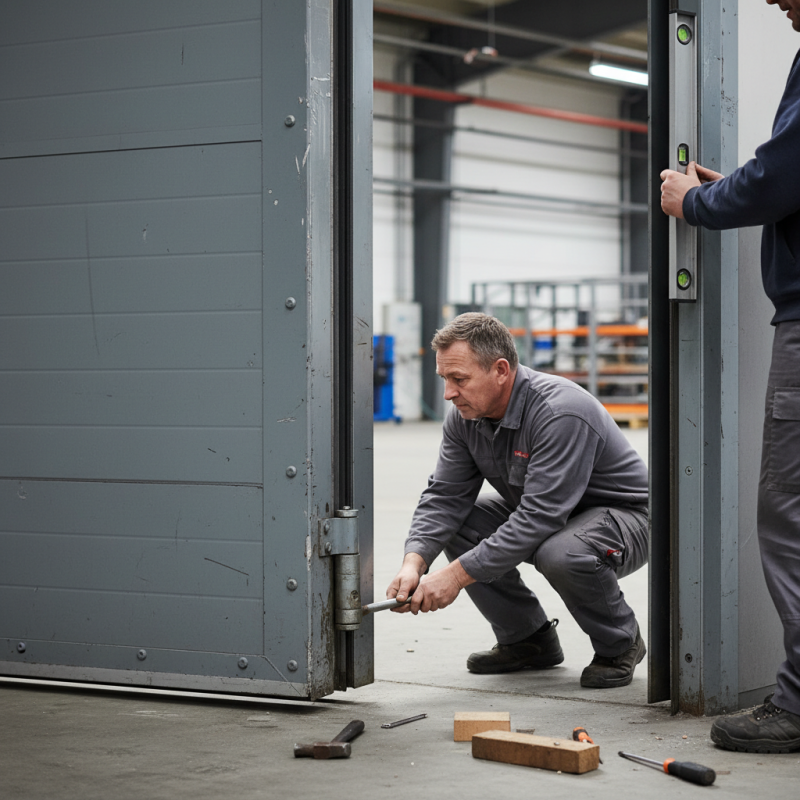
How to Fix a Sagging Heavy Steel Door Easily?

Understanding the Causes of a Sagging Heavy Steel Door

A sagging heavy steel door can be quite frustrating. Understanding the causes is the first step toward resolving the issue. One common reason for sagging is the weight of the door itself. Steel doors are typically heavy, and over time, this weight can cause the hinges to loosen or become misaligned.

Another cause could be improper installation. If the door was not aligned correctly during installation, the weight distribution may be uneven. Additionally, environmental factors like humidity can warp or bend door frames, leading to sagging. A moving or shifting foundation can also contribute to this problem. Noticing a gap at the top or bottom of the door can indicate that it is sagging.

Occasionally, people may overlook simple maintenance. Regularly lubricating the hinges can help prevent sagging. Ignoring these small tasks can lead to more significant problems later on. A sagging door can also lead to security issues or drafts in your home. It's vital to reflect on these aspects to maintain your door properly and ensure its longevity.

Essential Tools and Materials for Repairing a Sagging Door

Repairing a sagging heavy steel door requires specific tools and materials to achieve effective results. The first essential tool is a wrench. It helps to adjust the door’s hinges easily. A level is also crucial to ensure the door hangs straight. You might need a screwdriver to remove and tighten screws. A hammer can assist in placing shims under the door for better support.

In addition to these tools, you will need materials like wood shims. These are vital for providing extra support where the door is uneven. Lubricating oil can help smooth the hinges and prevent future sagging. Also, having a measuring tape on hand will help you ensure the precise alignment of the door. If you find rust, sandpaper could be necessary to smooth the surface.

Sometimes, unexpected issues arise. You may encounter stubborn screws or damaged hinges. This can complicate your repairs. It’s important to approach these challenges with patience. Failure to account for all obstacles can lead to additional repairs down the line. Remember, having the right tools is half the battle, but proper technique and care are crucial for success.

Step-by-Step Guide to Realigning a Heavy Steel Door

Heavy steel doors can sag due to various factors like wear and tear or improper installation. Realigning these doors is crucial for functionality and security. A reported 30% of commercial buildings face issues with door alignment annually, impacting energy efficiency and access. Here’s a step-by-step guide to fix a sagging heavy steel door.

Begin by inspecting the door's hinges. If they’re worn out, replacing them may be necessary. Tighten screws on the hinges to see if that helps. This initial adjustment can often restore the door's position.

Next, use a shim to level the door. Place it under the lower hinge if the door sags on one side. Adjusting the level can be a simple yet effective solution. If the door still doesn't align, you may need to install a new strike plate adjusted for perfect fit.

**Tips**: Always wear safety goggles during repairs. Ensure you have the correct tools, like a level and screwdriver. If adjustments don’t solve the problem, consulting a professional might be necessary.

Another common mistake is neglecting weather stripping. A sagging door can compromise insulation, leading to energy loss. Check for gaps and replace any missing strips. Properly sealing your door can enhance energy efficiency significantly.

Adjusting the Hinges to Fix a Sagging Steel Door

When dealing with a sagging heavy steel door, one of the first solutions to consider is adjusting the hinges. Over time, weight and usage can cause hinges to misalign, leading to a door that no longer swings properly.

To start, inspect the hinges closely. Look for wear or damage that may indicate they’ve shifted. If they seem secure, you might need a simple adjustment. Using a screwdriver, tighten the screws on the hinges. This can immediately reduce sagging. However, be cautious not to overtighten, as this can strip the screws.

Tips: If you notice the door doesn't sit evenly, you may want to raise one side by adjusting the hinge plates. Adding washers under the hinge points can also help elevate the door.

Remember, frequent adjustments might be necessary, especially for heavy doors. Regular checks can prevent further misalignment. If adjustments don't resolve the sag, it might be worth consulting a professional for more complex issues. Your door should close seamlessly, so paying attention to these details matters.

Preventative Measures to Avoid Future Sagging Issues

A sagging heavy steel door can be a nuisance. To prevent future sagging issues, start with proper installation. Ensure the door is hung on strong, level hinges. Misalignment happens often; a small mistake can lead to significant problems later. Checking the door frame for any shifts is crucial. Over time, homes settle. This settling can affect door alignment.

Regular maintenance is key. Lubricate the hinges and check for wear and tear. A visual inspection every few months can save you hassle. If you notice any resistance while opening or closing, address it immediately. Sometimes, reinforcing the frame with additional supports can help prevent sagging. A minor investment in time and tools can yield long-term benefits.

Using weather stripping can also play a role. It keeps out moisture and dirt, which may cause the door to warp. If the door material swells from humidity, it won’t function properly. Every care taken now can ward off future issues. Be proactive rather than reactive. Maintaining a heavy steel door isn’t super easy, but it’s certainly manageable with discipline and attention.

FAQS

: Why is my heavy steel door sagging?

: Common causes include the door's weight, improper installation, and environmental factors like humidity.

How can I tell if my door is sagging?

Look for gaps at the top or bottom of the door. This can indicate misalignment over time.

What should I do first to fix a sagging door?

Inspect the hinges for wear. Tighten screws or replace worn hinges as a first step.

How do I realign a heavy steel door?

Use a shim under the lower hinge to level the door. Adjusting the level can often resolve sagging.

What are the risks of a sagging door?

A sagging door can create security issues and drafts, impacting energy efficiency and comfort in your home.

How often should I maintain my heavy steel door?

Regular visual inspections every few months and lubrication of hinges can prevent significant issues.

Is it important to use weather stripping?

Yes, it helps prevent moisture and dirt. Without it, the door may warp and function poorly.

When should I consider consulting a professional?

If adjustments don’t solve the sagging problem after several attempts, a professional might be necessary.

Can settling of my home affect the door?

Yes, as homes settle over time, it can lead to misalignment of doors due to frame shifts.

What simple maintenance tasks should I not overlook?

Regularly lubricate hinges and check for wear. Ignoring these tasks can lead to bigger problems.

Conclusion

A sagging heavy steel door can be a frustrating issue, but understanding the causes is the first step to fixing it. Factors like worn-out hinges, misalignment, and temperature changes can contribute to this problem. To effectively tackle this situation, homeowners should gather essential tools and materials, which will make the repair process smoother.

In a step-by-step guide on "How to adjust a sagging heavy steel door?", one should start by realigning the door and then focus on adjusting the hinges accordingly. Regular maintenance and taking preventative measures can help avoid future sagging issues, ensuring your door operates smoothly for years to come.

Sienna

Sienna

Sienna is a skilled marketing professional with a deep expertise in our company’s core products and services. With a passion for innovation and detail, she plays a pivotal role in crafting insightful blog posts that not only highlight the unique features of our offerings but also provide valuable......