Vero Door Vero Door

Why is My Fire Rated Door Not Closing Automatically Anymore?

Time:2026-05-13 Author:Mason
0%

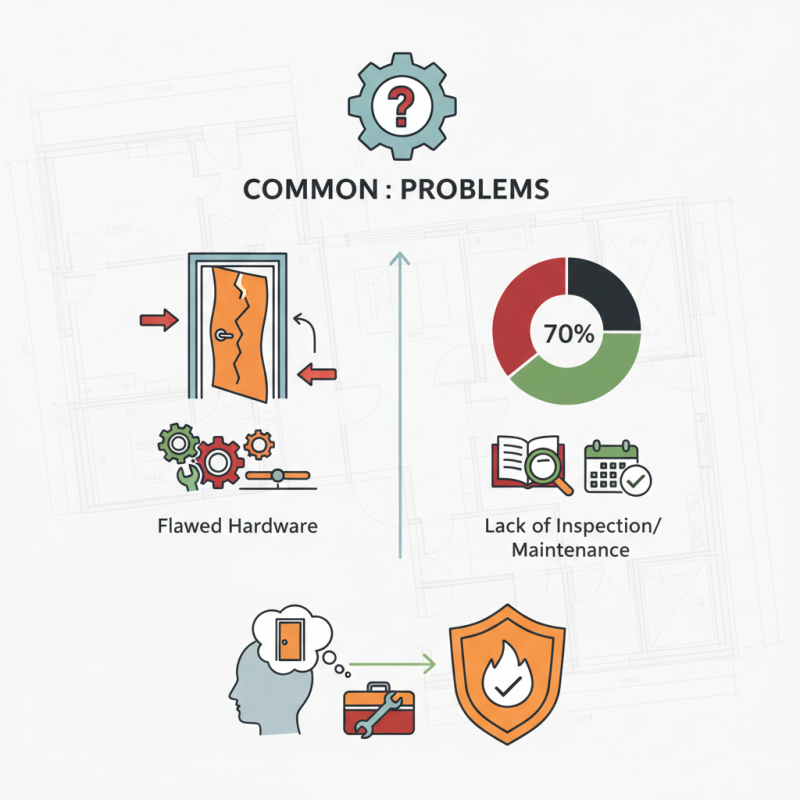
As buildings evolve, ensuring fire safety becomes more complex. A critical component in this safety framework is the fire-rated door. These doors are designed to close automatically and contain fire and smoke. However, issues such as warping, damaged hinges, or flawed hardware can prevent them from functioning correctly. According to the National Fire Protection Association, 70% of fire-rated doors are not inspected or maintained properly. This raises concerns about safety compliance.

“Why is my fire-rated door not closing automatically anymore?” is a question often posed by building managers. Experts, like Mark Adams, a fire safety engineer, remind us: “Regular maintenance is key to fire door reliability.” Ignoring this an important aspect can lead to crises that compromise safety. To address this issue, identification of the root cause is essential.

Understanding the reasons behind malfunctioning fire doors is crucial. Neglecting a minor issue today may lead to significant risks tomorrow. Observing the condition of fire-rated doors can prevent dire situations. Regular maintenance checks can help ensure they perform as intended when needed most.
Why is My Fire Rated Door Not Closing Automatically Anymore?

Understanding the Mechanisms of Fire Rated Door Closures

Fire rated doors play a crucial role in building safety. They are designed to prevent the spread of fire and smoke. However, when a fire rated door stops closing automatically, it can pose serious risks. Understanding the mechanisms behind these closures is essential for maintenance.

Most fire rated doors use a closing mechanism that relies on a spring or hydraulic system. If the door was functioning properly and has suddenly stopped closing, it may indicate a malfunction in these components. Regular inspections are necessary. Check for any visible signs of wear or damage on the hinges or closure arms.

Sometimes, the environment plays a role too. Changes in temperature or humidity can affect the materials around the door. These factors can cause expansion or contraction, impacting the door's ability to close properly. Even slight misalignments due to building settling can lead to these issues. It's crucial to address these problems promptly to ensure the door performs its protective function effectively.

Common Reasons for Malfunctioning Fire Rated Doors

Fire-rated doors are essential for safety, but they can malfunction. Understanding the common reasons for these issues can help in maintenance and repair.

One common problem is misalignment. Over time, doors may shift due to changes in the building's structure. If a door doesn't latch properly, it will stay partially open. This can compromise fire safety. Regular checks can help catch misalignments early.

Another issue could be a faulty closer. The door closer controls how the door shuts. If damaged, it may not provide enough force to close the door fully. Sometimes, the closing speed is too slow. Adjusting the settings on the closer might resolve the issue.

Lastly, debris in the door track can cause problems. Dust or even small objects can prevent the door from closing. Regular cleaning and maintenance are crucial. Noticing these small issues early can prevent larger problems in the future.

Impact of Door Hardware Quality on Automatic Closure

Fire-rated doors are essential for ensuring safety in buildings. When these doors fail to close automatically, it raises concerns about fire safety. A significant factor influencing this performance is the quality of door hardware. If the door's hinges, closers, or latches are subpar, they may not function correctly, leading to issues.

Tips: Regularly inspect hardware components. Look for signs of wear or damage. Quality matters—invest in reliable products for peace of mind.

Additionally, installation plays a crucial role. Even high-quality hardware can underperform if not installed properly. It's vital to follow manufacturer guidelines and check alignment periodically. Misalignment can prevent automatic closing, which compromises safety.

Tips: Allow professionals for installation. A small mistake can lead to significant risks. Maintain a schedule for inspections to catch problems early.

Regular Maintenance Practices for Fire Rated Doors

Fire rated doors play a crucial role in enhancing safety. However, they may not close automatically due to lack of regular maintenance. Inspections should occur at least twice a year, as highlighted by the National Fire Protection Association (NFPA). Regular maintenance practices help ensure that these doors function effectively.

A common issue is the misalignment of door hardware. Even slight shifts can prevent a door from closing fully. Dirt or debris may also accumulate in the door's operating mechanism. Inspecting these areas periodically can prevent them from becoming major problems.

**Tips:** Check the door hinges for wear and tear. Cleaning the tracks can keep the door moving smoothly. It’s recommended to engage a professional if you notice persistent issues. Regular maintenance fosters reliability and reduces the risk of failure when it's needed most.

Fire Rated Door Maintenance Analysis

Industry Standards for Fire Door Operation and Safety Compliance

Fire rated doors play a crucial role in maintaining safety and compliance in buildings. According to the National Fire Protection Association (NFPA), these doors must close automatically to ensure smoke and fire containment. A malfunctioning door can jeopardize occupant safety and violate industry standards. When a fire rated door no longer closes automatically, it could be due to improper installation, wear and tear, or misalignment.


The International Building Code (IBC) mandates that fire doors must be operational and self-closing to meet safety criteria. Regular inspection and maintenance are vital. NFPA reports indicate that nearly 70% of fire doors are not functioning correctly during inspections. This statistic raises serious concerns about fire safety compliance. Proper training for personnel responsible for door maintenance can help avoid common pitfalls associated with fire rated door failures.


It's essential to evaluate the door's hardware and framing. Hinges may wear out or get damaged over time. Sometimes, environmental factors like temperature changes affect door operation. Regular checks can help identify these issues early. Maintaining compliance with industry standards not only enhances safety but also protects property and lives.

FAQS

: What is the purpose of fire rated doors?

: Fire rated doors help prevent the spread of fire and smoke in buildings.

What happens if a fire rated door stops closing automatically?

It can pose serious safety risks and needs immediate attention.

What mechanisms do fire rated doors use to close?

They generally use a spring or hydraulic system for closing.

How can environmental changes affect fire rated doors?

Temperature or humidity changes can cause materials to expand or contract, affecting closure.

Why is regular maintenance important for fire rated doors?

Regular inspections help identify wear, misalignments, or malfunctions early on.

What is a common issue that prevents fire rated doors from latching properly?

Misalignment due to structural shifts in the building can cause this issue.

How can debris affect the functioning of fire rated doors?

Dust or small objects can block the door track, preventing closure.

What should I do if the door closer is not working properly?

Adjust the settings, or consider replacing it if it is damaged.

How can I check for visible signs of wear on a fire rated door?

Inspect the hinges and closure arms regularly for any signs of damage.

What are the consequences of ignoring malfunctioning fire rated doors?

Ignoring these issues can compromise fire safety and lead to larger, costly problems.

Conclusion

In addressing the question, "Why is my fire-rated door not closing automatically anymore?" it's essential to first understand the mechanisms that facilitate the automatic closure of fire-rated doors. These doors are equipped with specialized hardware designed to ensure they close securely in the event of a fire. Common reasons for their malfunctioning can range from misaligned hinges to worn-out closing mechanisms, which may compromise their effectiveness and safety.

Furthermore, the quality of door hardware plays a crucial role in the reliability of these systems. Inferior materials can lead to wear and decreased functionality over time. Regular maintenance practices, such as lubrication and inspection, are vital to prolonging the life of fire-rated doors and ensuring compliance with industry standards. By adhering to recommended maintenance schedules and being aware of the factors that affect door function, building owners can significantly reduce the likelihood of encountering issues like automatic closure failure.

Mason

Mason

Mason is a seasoned marketing professional with a deep expertise in the company's offerings and a passion for driving brand awareness. With a strong background in digital marketing strategies, he has an innate ability to connect with diverse audiences and effectively communicate product benefits.......