When considering home value, the color of your front door can make a significant impact. Research shows that the right hue can boost resale value. According to a report by the National Association of Realtors, a visible and appealing front door is critical for first impressions. In fact, realtor and home improvement expert, Jane Doe, states, “The front door is the focal point. The right color can influence buyer emotions dramatically.”
So, what color front door increases home resale value the most? Studies suggest that colors like navy blue and black not only attract potential buyers but also signify elegance and sophistication. For instance, a navy blue door can add up to $2,000 to the sale price of a home, according to a Zillow analysis. However, the choice isn't merely about trends; it also reflects personal branding.
Choosing the perfect door color demands careful thought. The goal is to appeal to buyers while expressing individuality. Yet, should homeowners prioritize personal preference over universal appeal? This balance is essential in a competitive real estate market. The question remains: what approach resonates most effectively with homebuyers today?
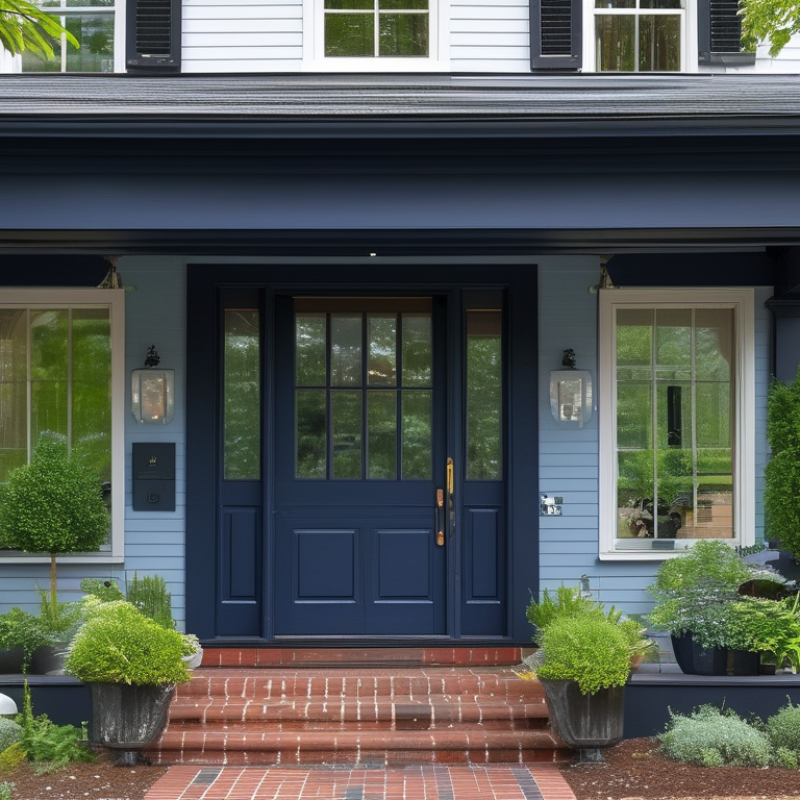
Importance of Front Door Color in Home Value
The color of your front door holds significant weight in enhancing your home's value.
According to a report from Zillow, houses with black front doors can sell for about $6,500 more than similar homes with lighter-colored doors.
The contrast between bold colors and classic neutrals not only attracts buyers but also sets a welcoming tone.
Home staging professionals often emphasize the psychology behind color choices. For instance,
red doors are perceived as inviting and signify prosperity, while
blue doors suggest tranquility.
Interestingly, a study by the National Association of Realtors revealed that
62% of buyers prioritize curb appeal.
This showcases how front door color affects first impressions, ultimately influencing buyer decisions.
However, selecting the right color isn't a one-size-fits-all approach.
Personal preferences and local trends can vary widely. Some homeowners may face backlash for unconventional colors that stand out too much.
It's essential to strike a balance between
personal expression and marketability to ensure the investment adds value rather than detracts from it.
Consider researching neighborhood styles and buyer preferences for greater impact.
Popular Front Door Colors and Their Market Impact
Choosing the right front door color can significantly impact your home's value. Trends in the real estate market show that specific colors attract buyers more than others. For instance, classic colors like black or navy blue are often associated with elegance and sophistication. These colors can elevate a property's curb appeal and convey a sense of stability. In contrast, bold colors like red can evoke energy but may not appeal to everyone.
When selecting a door color, consider the overall look of your home. A deep green door provides a natural feel that blends well with outdoor landscaping. Light pastels can impart a cheerful vibe, making your home look inviting. Research shows that homes with well-chosen door colors can sell for up to 5% more.
Tips: Test door colors with samples first. Paint large swatches on cardboard and observe them at different times of day. Also, think about your home's architectural style. A modern home might look fresher with a trendy color, while a traditional home may benefit from classic tones. Don’t rush your decision; sometimes the right choice takes reflection and consideration.
Psychological Effects of Color on Home Buyers
Choosing the right color for your front door can have a significant impact on home buyers. Colors evoke emotions and influence perceptions. For example, red often signifies passion and warmth. A vibrant red door can attract attention and suggest a welcoming environment. Conversely, a muted color like gray may appear more sophisticated but can seem cold or uninspiring.
Many buyers overlook the psychological effects of color. This affects not just their feelings, but also their decision-making process. A bright yellow door might suggest cheerfulness and optimism, appealing to families. Meanwhile, a deep blue may provide a sense of calm and security. Each color communicates a message.
Tips for Choosing Your Front Door Color:
Consider your neighborhood. What colors are predominant? Blend in or stand out carefully. The tone should fit the home’s style. Test samples in your lighting. Natural light can alter your perception. Don't rush the decision. Take time to reflect on how each color makes you feel.
Regional Preferences: Which Colors Appeal Most?
Regional preferences in front door colors can significantly influence a home's value. In the Northeast, classic colors such as navy blue and red are popular. According to a National Association of Realtors report, 65% of homebuyers in that region prefer doors in these shades. They evoke a sense of tradition and warmth, which is essential in older neighborhoods.
Conversely, the Southwest region shows a different trend. Earthy tones like sage green and terracotta resonate well with local aesthetics. A survey by the Zillow Group revealed that homes with these colors can see up to a 10% increase in resale value. The connection to the natural landscape seems to play a crucial role in buyer appeal.
However, not all preferences are universal. Personal taste heavily influences color choice. What appeals to one demographic may not resonate with another. It’s essential for homeowners to reflect on their surroundings and community standards. Choosing a door color requires a balance between personal style and regional trends.
Tips for Choosing the Right Color for Your Front Door
Choosing the right color for your front door is more than a design decision; it can significantly impact your home’s value. According to the National Association of Realtors, homes with a distinctive front door color can increase property values by up to 6%. This figure highlights the importance of color in curb appeal.
When selecting a front door color, consider local trends. For instance, a bold red or deep blue can evoke feelings of warmth and security. Yet, opting for shades like black or gray may appeal to modern buyers. A study from Zillow reveals that homes with black doors sell for an average of $6,000 more than similar homes without.
However, not all choices guarantee increased value. Uncommon colors like bright yellow may deter potential buyers. Ultimately, balancing personal taste with market appeal is crucial. It’s also essential to test samples against your home’s exterior before committing. This process can prevent costly mistakes and ensure your choice enhances your home’s overall aesthetic.
Conclusion
Choosing the right color for your front door is crucial, as it can significantly influence your home's resale value. The article explores the importance of front door color in enhancing curb appeal and attracting potential buyers. Popular colors such as black, navy blue, and red are highlighted for their positive impact on market value, while also considering regional preferences that can sway buyer appeal.
Furthermore, the psychological effects of color on home buyers are examined, showing how specific hues evoke emotions and convey messages about the home. Those wondering, "What color front door increases home resale value the most?" will find that warm, inviting colors often resonate best with buyers. To maximize value, tips for selecting an appealing and market-friendly color for your front door are also provided, helping homeowners make informed decisions.
 Vero Door
