Vero Door
As smart locks gain popularity, many homeowners face the question: "Can a smart lock be hacked easily?" According to a report by CyberSecurity Ventures, approximately 60% of smart home devices have known security vulnerabilities. This alarming statistic raises concerns about the resilience of smart locks against cyber threats.
Industry experts highlight that most hacking attempts exploit weak passwords or outdated firmware. The average person uses only about 1.7 unique passwords across their devices, making them more susceptible to attacks. Moreover, a study by the Internet Crime Complaint Center reveals that cybercriminals often target devices that lack proper security measures.
When considering the adoption of smart locks, it is essential to evaluate their security features. Not all smart locks are created equal; some offer advanced encryption and two-factor authentication, while others do not. Many consumers may overlook software updates, which are vital for maintaining device integrity. A deeper understanding of these risks can help ensure that smart locks enhance security rather than compromise it.
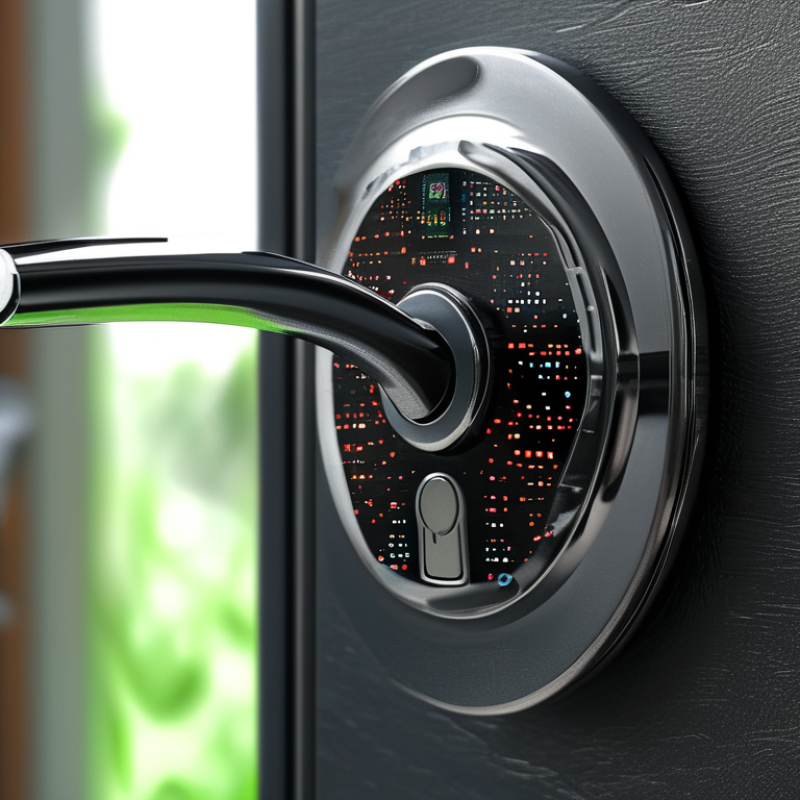
Smart locks represent an advancement in home security technology. They integrate electronic components with traditional locks. These devices can often be controlled remotely via smartphones or smart home systems. Built-in Wi-Fi or Bluetooth allows for seamless connectivity and user-friendly operation. A 2020 report from Statista indicated that over 30% of U.S. households had adopted smart locks. This trend reflects the growing demand for innovative and convenient security solutions.
Leveraging features like keyless entry and temporary access codes, smart locks enhance user accessibility. A study by the Consumer Technology Association noted that most users valued convenience and control. However, reliance on digital technology raises concerns. Reports from cybersecurity experts highlight vulnerabilities in wireless communications. Smart locks can potentially be targets for hackers exploiting weak encryption protocols. As homes become smarter, the importance of robust cybersecurity measures becomes clearer. It is essential to remain vigilant about these risks, ensuring the safety of our homes.
The ease of installation contributes to their popularity. Many models feature simple retrofitting options. Users appreciate the DIY aspect, yet they must be aware of potential pitfalls. The balance between convenience and security is delicate. Detailed education on proper usage, maintenance, and updates of the firmware is crucial. Users should routinely assess their smart lock’s security features and protocols, ensuring they remain one step ahead of potential threats.
This chart presents an analysis of key factors related to smart lock security, including vulnerability to hacking, ease of installation, user experience, cost, and battery life, rated on a scale from 1 to 10.
Smart locks offer a convenient way to secure your home. However, their technology can present vulnerabilities. These devices often use Wi-Fi or Bluetooth, making them targets for hackers. One common threat is interception of wireless signals, which can allow unauthorized access.
Weak passwords and default codes are another significant issue. Many users fail to change factory settings, making it easy for someone to gain entry. Additionally, some locks may not receive regular software updates. This oversight can leave them exposed to known exploits. Users should be proactive in maintaining their devices.
To enhance your smart lock's security, choose strong, unique passwords. Regularly check for software updates. Be aware of your lock’s connection. Avoid using public Wi-Fi for monitoring your lock remotely. Engage in regular vulnerability assessments of your device. These actions can significantly reduce the risks associated with smart locks.
Smart locks have become a popular choice for modern security systems, but they are not without risks. Hackers utilize various techniques to compromise these devices. One common method is the brute-force attack, where hackers try multiple passcodes until they succeed. This method can be effective, especially if users opt for weak or easily guessed codes.
Another approach is exploiting vulnerabilities in the lock's software. Many smart locks rely on mobile applications to connect to the lock. If these apps contain security flaws, hackers can gain unauthorized access. Some hackers might also use signal interception methods, capturing Bluetooth or Wi-Fi signals transmitted by the lock. This can result in unauthorized entry if the security protocols are weak.
Physical attacks are another concern. Some hackers may resort to picking the lock or using tools to manipulate the device. While smart locks are generally more secure than traditional locks, they are not invulnerable. Users should reflect on the security of their chosen model, considering these potential weaknesses. Investing in a lock with robust encryption and regular software updates can help. But remember, no device is entirely foolproof, and awareness is key.
When it comes to smart locks, securing your home goes beyond convenience. Smart locks offer a blend of high-tech features. However, they can also be vulnerable if not protected properly. Understanding how to safeguard your smart lock is essential for peace of mind.
Choose a strong password for your smart lock. Avoid common phrases or easily guessed information. A long, complex password is more effective. Change it regularly to enhance security. Ensure your Wi-Fi network is secured as this is critical for smart devices. A weak network can compromise your lock's safety.
Regular software updates are crucial. These updates often contain patches for potential security flaws. Keep an eye on any notifications from the manufacturer. Additionally, consider enabling two-factor authentication. This adds another layer of security to your lock. Physical security is equally important. Reinforce your door frame and lock hardware to deter break-ins.
Maintain awareness of your surrounding environment and any unusual activities. Smart locks are not a complete substitute for traditional security measures. Reflect on the areas where your security might grow stronger. Being proactive can prevent vulnerabilities in your smart lock system.
The world of smart lock technology is rapidly evolving. As more people adopt these devices, the focus on security is crucial. Advanced encryption methods are being integrated to counteract hacking attempts. However, the reality remains that no system is entirely foolproof. Users must remain vigilant against potential vulnerabilities.
Technological advancements are ushering in enhanced security features. Biometric access, like fingerprint scanning and facial recognition, is gaining popularity. These features offer increased convenience and security. Yet, they also present privacy concerns. Users may have reservations about sharing their biometric data. In a world of ever-changing tech, trust in these systems is continuously challenged.
As artificial intelligence becomes more integrated into smart locks, the potential for improved security rises. AI can analyze usage patterns to detect unusual behavior. However, this technology is not without risks. The reliance on algorithms could create new vulnerabilities. Users should stay informed and adapt to ongoing developments in smart lock security. Understanding these trends can help homeowners make safer choices.
: Smart locks combine electronic components with traditional locks. They enhance accessibility and control through app integration.
Smart locks typically connect via Wi-Fi or Bluetooth. This allows remote control using smartphones or smart home systems.
Common vulnerabilities include weak passwords, default codes, and lack of regular software updates. These can expose locks to hackers.
Users should choose strong passwords, enable software updates, and conduct regular security assessments of their device.
Hackers often use brute-force attacks, exploit software vulnerabilities, or intercept wireless signals to gain unauthorized access.
Many smart locks are designed for easy installation. However, users must pay attention to potential pitfalls during setup.
Users should reflect on their model’s security features, including encryption standards and firmware update policies.
No, using public Wi-Fi can expose your smart lock to risks. It's best to avoid it when checking your lock remotely.
Yes, some hackers may attempt physical attacks, such as lock picking. Smart locks aren’t entirely immune to these methods.
Smart locks are innovative devices designed to enhance home security by allowing keyless entry through smartphones or key codes. However, a significant concern remains: can a smart lock be hacked easily? Common vulnerabilities include weak encryption, poor default configurations, and outdated firmware, all of which can be exploited by hackers using various techniques such as signal interception and brute force attacks.
To mitigate these risks, homeowners should adopt best practices for securing their smart locks, such as regularly updating software, using strong and unique passwords, and employing two-factor authentication where possible. As technology evolves, the future trends in smart lock security will likely introduce advanced features like improved encryption standards and AI-based monitoring to further protect against hacking attempts, ensuring a higher level of security for users.
