Vero Door Vero Door

Why is Air Leaking from the Bottom of My Front Door?

Time:2026-06-19 Author:Liam
0%

Air leakage in homes is a common concern, impacting energy efficiency and comfort. When homeowners ask, "Why is air leaking from the bottom of my front door?" they may not realize the extent of the issue. According to the U.S. Department of Energy, air leaks account for up to 30% of a home's energy loss. This equates to higher energy bills and fluctuating indoor temperatures.

Many factors contribute to air leaks around doors. Gaps or improper sealing can allow air to escape, which disturbs indoor climates. Additionally, the wear and tear on weatherstripping can worsen these leaks over time. As a result, not only does this affect comfort, but it also poses a significant drain on resources and finance.

Addressing the leakage issue demands attention. Homeowners should inspect their doors regularly for signs of wear. Using door sweeps or applying caulk can help rectify these leaks. Understanding "Why is air leaking from the bottom of my front door?" can lead to proactive measures, ensuring a more comfortable and energy-efficient home environment.
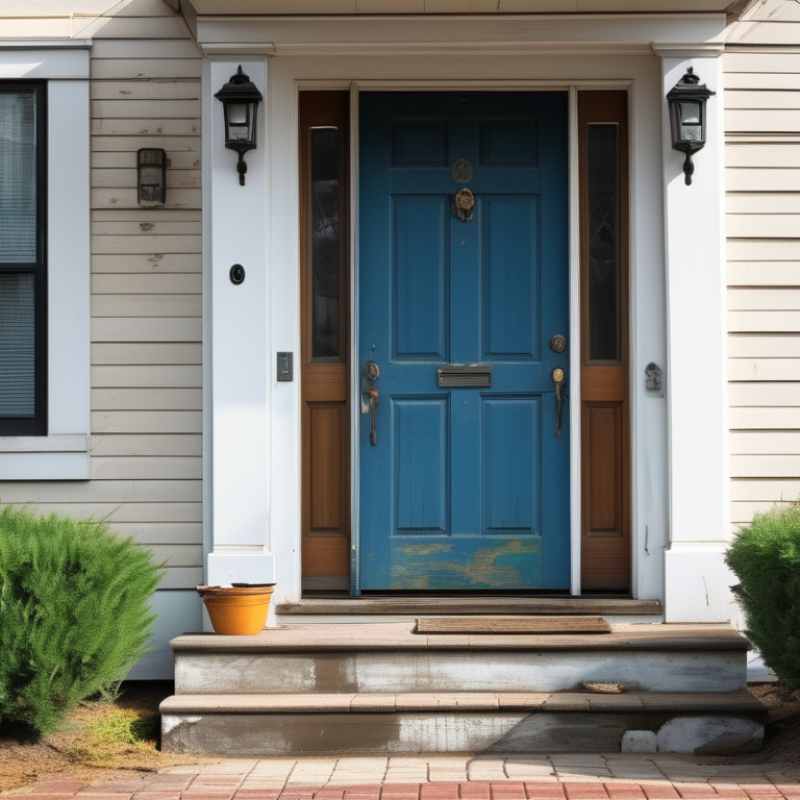
Why is Air Leaking from the Bottom of My Front Door?

Causes of Air Leakage from the Bottom of Doors: An Overview

Air leakage from the bottom of your front door can be a significant issue. Several factors cause this common problem. First, gaps between the door and the frame can allow air to flow in and out. These gaps often occur over time due to settling or warping of the door. Inspecting your door regularly is crucial.

Another significant cause is worn-out weather stripping. This material provides a seal, blocking drafts effectively. If it's damaged or missing, it won't do its job. Replacing worn weather stripping can make a noticeable difference in indoor comfort. You'll feel the change immediately with reduced drafts.

Lastly, your door may not be aligned properly. Door hinges can loosen, causing the door to sag. This misalignment can create additional gaps. Adjusting hinges may seem easy, but it requires careful attention. Always check for even spacing along the entire door. Addressing these issues can greatly enhance your home's energy efficiency.

Impact of Air Leakage on Energy Efficiency and Utility Bills

Air leaks from the bottom of doors can significantly impact your home's energy efficiency. When air escapes, your heating or cooling system works harder to maintain a comfortable temperature. This inefficiency often leads to higher utility bills. In fact, according to energy experts, up to 30% of a home's energy can be lost through leaks.

The financial consequences can be surprising. You may notice an increase in heating and cooling costs as your system struggles against the drafts. Sealing these leaks can lead to noticeable savings. You might spend less on energy and feel more comfortable in your living space. However, many homeowners overlook this issue, unaware of its impact on their budgets.

Addressing air leakage is not just about cost savings. It also enhances comfort and improves overall home quality. If air can get in, so can dust and allergens. It is a simple fix yet often ignored. By taking proactive steps, you can create a more energy-efficient environment while also being mindful of your expenses.

Common Materials and Techniques for Door Weatherproofing

Air leaking from the bottom of your front door can lead to discomfort and increased energy bills. A common solution is door weatherproofing. Selecting the right materials is essential for effective sealing.


Weatherstripping is one of the most popular methods. It often comes in foam, rubber, or vinyl forms. These materials create a snug barrier against drafts. However, improper installation can lead to gaps. Some homeowners may overlook this step.


Another effective technique involves door sweeps. These rubber or bristle strips attach to the bottom of the door. They block wind and moisture effectively. But if they are too long, they may hinder door movement. It’s important to ensure a proper fit.


For a DIY approach, consider using caulking or expanding foam. These can seal larger gaps around the door frame. However, be cautious with application. Excessive use can lead to unsightly bulges. Regular checks and maintenance can ensure long-lasting results. Without attention, weatherproofing may fail over time, leaving your home vulnerable once again.

Signs of Damaged Weather Stripping and Thresholds in Front Doors

Many homeowners notice air leaking from the bottom of their front doors. This issue often points to damaged weather stripping or thresholds. Weather stripping is crucial for blocking drafts, while thresholds provide a seal between the door and the ground. If either is compromised, your home loses energy efficiency and comfort.

Signs of damaged weather stripping include visible wear, gaps, or tears. If you feel cold air when your door is closed, it might be time to replace it. Thresholds can also sustain damage. Look for cracks or warping. These small imperfections may seem minor, but they can significantly impact your home’s insulation.

Tips: Regularly inspect your door seals for any signs of wear. If you find damage, consider replacing them. If air continues to leak, you might need to adjust the door's alignment. A small adjustment can solve big problems. Remember, even minor gaps can lead to heat loss and higher energy bills. Keeping your front door sealed tight is essential for a cozy home.

Air Leaking From the Bottom of Front Doors

Professional Solutions: When to Seek Help for Door Air Leaks

Air leaks from the bottom of your front door can lead to energy loss and discomfort. Understanding when to seek professional help for these leaks is crucial. Homeowners might attempt simple fixes with weather stripping or door sweeps, but persistent issues often require expert intervention.

Consider these tips for identifying air leaks:

First, check if you can feel drafts around the door. A lit candle can reveal drafts; the flame will flicker if air moves through.

Second, examine the door's alignment. A door that isn't level may not seal properly, leading to leaks. Use a level tool to inspect this.

If you notice continuous problems, it may be time to call a professional. Experts have specialized tools and experience to detect leaks that a homeowner might miss. They can assess if the door needs a repair, adjustment, or even replacement. Addressing these issues will ensure your home stays energy-efficient and comfortable.

FAQS

: What is the impact of air leakage on energy efficiency?

: Air leaks can cause a home's heating and cooling systems to work harder. This leads to increased utility bills.

How much energy can be lost through air leaks?

Up to 30% of a home's energy may be lost due to leaks. This can surprise many homeowners.

What financial benefits come from sealing air leaks?

Sealing leaks can lead to noticeable savings on energy bills. Homeowners may feel more comfortable too.

Why is air leakage often overlooked by homeowners?

Many homeowners are unaware of the issue's impact on their budgets and comfort. They might prioritize other repairs.

What materials are commonly used for weatherproofing doors?

Weatherstripping, in foam or rubber, is popular for sealing drafts. Proper installation is crucial to avoid gaps.

How do door sweeps contribute to energy efficiency?

Door sweeps block wind and moisture. A proper fit is vital; if too long, they can obstruct door movement.

What DIY methods are available for addressing air leaks?

Caulking and expanding foam can seal larger gaps. Caution is needed to avoid unsightly bulges with excessive use.

What happens if weatherproofing is neglected?

Without regular checks, weatherproofing might fail. This can leave a home vulnerable to drafts and discomfort.

How do air leaks affect indoor air quality?

Air leaks allow dust and allergens to enter. Sealing them can improve indoor air quality and comfort.

Is weatherproofing a one-time fix?

No, it requires regular maintenance and checks to ensure long-lasting efficiency. Many homeowners forget this step.

Conclusion

Air leakage can be a significant issue for homeowners, often prompting the question, "Why is air leaking from the bottom of my front door?" This leakage can stem from various causes, including worn weather stripping, damaged thresholds, or improper door alignment. The impact of air leakage extends beyond discomfort; it affects energy efficiency and can lead to higher utility bills due to increased heating and cooling demands.

To address these issues, homeowners can explore common materials and techniques for weatherproofing their doors, such as installing door sweeps or replacing old weather stripping. Recognizing the signs of damage is crucial, as indicators like drafts or visible gaps can help determine the need for repairs or replacements. In some cases, seeking professional help may be the best solution, especially when dealing with significant air leaks that require expert assessment and intervention.

Liam

Liam

Liam is a dedicated marketing professional with a profound expertise in the industry, where he excels at highlighting the unique advantages of our core products. With a keen understanding of market trends and consumer needs, Liam frequently updates our company’s professional blog, providing......