Vero Door
In the world of fire safety, the terms "fire-rated" and "fire-proof" often cause confusion. What is the difference between fire-rated and fire-proof doors? According to a study by the National Fire Protection Association (NFPA), around 1,300 fires occur in commercial buildings annually, highlighting the need for effective fire safety measures. Fire-rated doors are designed to withstand flames and heat for a specified time, typically ranging from 20 minutes to 3 hours, depending on the rating. This critical feature can prevent fire spread, allowing time for safe evacuation.
On the other hand, fire-proof doors offer an illusion of complete protection, a misconception that can be dangerous. Although some materials claim to be fire-proof, most rely on fire-resistant attributes. Reports show that 80% of fire-related fatalities happen in residential settings, underscoring the importance of understanding these differences. Installing the right type of door can be a matter of life and death. Building codes often dictate door specifications, making professional guidance essential to ensure compliance and safety.
While both door types serve vital roles in fire safety, recognizing their distinct functions is crucial for effective fire prevention strategies. The choice between fire-rated and fire-proof doors can greatly impact safety outcomes, demanding careful consideration and expertise.
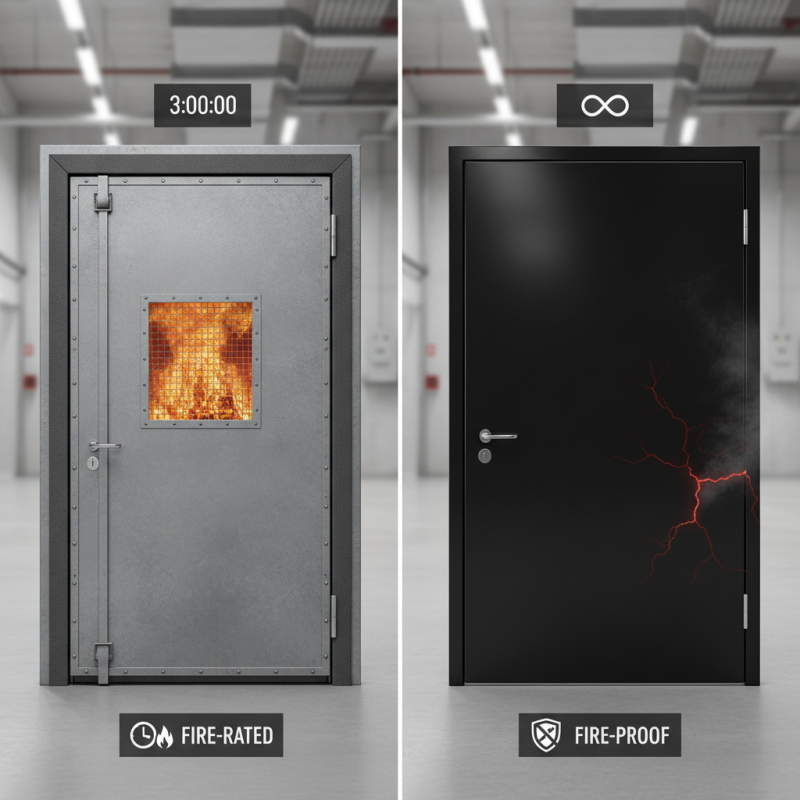
Fire rated doors are essential for building safety. They are designed to withstand high temperatures and prevent the spread of fire and smoke. According to the National Fire Protection Association (NFPA), over 3,000 civilian deaths occur due to fire-related incidents each year. Installing fire rated doors significantly reduces the risk of injury and increases survival rates.
These doors are categorized based on their fire-resistance ratings. Ratings can range from 20 minutes to 3 hours. The specific rating depends on the materials used and the construction of the door. Understanding these ratings helps in selecting the right door for different buildings. Fire rated doors must also meet strict testing standards from organizations like Underwriters Laboratories (UL).
Tip: Always consult with a fire safety expert when choosing doors for your building. Incorrect selections can lead to fire hazards.
Choosing the proper fire rated door is not solely about compliance; it’s about protecting lives and property. Many buildings do not have adequate fire safety measures. Regular inspections and maintenance of these doors can be overlooked. This negligence could render them ineffective during a fire emergency. Therefore, staff training and awareness of fire safety protocols are equally crucial.
Tip: Consider conducting regular fire drills. These ensure that everyone knows how to react in a fire situation. Fire preparedness ultimately saves lives.
Fireproof doors are engineered to withstand extreme heat. They play a critical role in fire safety. These doors are made from materials that resist fire for a specific duration. Often, they can endure flames for up to three hours. This capability helps contain fires and protect escape routes.
Key features of fireproof doors include heavy-duty materials and special seals. They typically have steel, gypsum, or composite cores. This construction makes them robust yet functional. Many come with intumescent strips that expand during heat. This expansion blocks smoke and flames, providing extra protection.
While fireproof doors are effective, they are not indestructible. Over time, wear and tear can compromise their performance. Routine inspections are vital to ensure reliability. It's also important to understand that while these doors are fire-resistant, they require proper installation to function as intended. Neglecting these factors can lead to dangerous situations in case of a fire.
When comparing fire rated and fire proof doors, it's essential to understand their core differences.
Fire rated doors are specifically designed to withstand flames for a predetermined time. They typically have a rating of 20 minutes up to several hours. This rating serves a crucial purpose in protecting occupants and property. The construction of these doors often includes special materials like gypsum or mineral cores.
On the other hand, the term "fire proof" can be misleading. No door can be entirely fireproof. Fire proof doors can resist fire for longer durations than standard options, but they will eventually fail under extreme heat. Each type serves a unique role in safety protocols. A fire rated door contributes to containment strategies, while fire proof doors may be more suitable in high-risk environments.
It is essential to evaluate the specific needs of a building when choosing between these options.
Building codes and safety regulations often dictate the necessary standards. Professionals need to assess the materials and construction methods of these doors carefully. Misunderstanding can lead to significant safety risks during emergencies. A well-informed choice can make a difference in fire safety and building integrity.
When choosing between fire-rated and fireproof doors, understanding their applications is crucial. Fire-rated doors are designed to resist flames for a specific time. They are often used in commercial settings, where regulations require fire safety. For example, they can be found in stairwells and corridors, offering safe passage during emergencies. In contrast, fireproof doors provide enhanced protection. They withstand fire for extended periods. These doors are ideal for high-risk areas or facilities with valuable assets.
Tips: Always check certification labels on doors. This ensures they meet safety standards. Consult with experts about the best options for your space. Installation should be performed by professionals to maintain integrity.
Consider the materials each type uses. Fire-rated doors often combine steel or wood with fire-resistant cores. Fireproof doors may include advanced materials that offer exceptional durability. The choice may depend on your location and local fire codes. Not every situation demands fireproof doors, so assess your specific needs carefully. Keep in mind that both types require regular maintenance for optimal performance.
| Feature | Fire Rated Doors | Fire Proof Doors |
|---|---|---|
| Definition | Designed to resist fire for a specified time period. | Completely resistant to fire, offering full protection. |
| Materials | Typically made of wood, steel, or composite materials. | Usually made of reinforced materials like concrete or steel. |
| Duration of Protection | Offers protection for 20, 30, 60, or 90 minutes. | Designed to withstand fire indefinitely. |
| Applications | Used in commercial buildings, hotels, and residential areas. | Ideal for data centers, power plants, and high-risk facilities. |
| Cost | Generally more affordable than fire proof doors. | Tends to be more expensive due to advanced materials. |
| Regulatory Standards | Meets specific fire safety regulations. | Must meet stricter safety protocols for ultimate fire safety. |
Fire rated and fireproof doors play critical roles in safety compliance, especially in commercial buildings. Regular maintenance is essential to ensure these doors function correctly. According to industry standards, fire rated doors must resist flames for at least 20 minutes, while fireproof doors offer significantly longer protection. However, many facilities overlook routine inspections. This negligence poses serious safety risks.
Ensuring door safety standards involves adhering to local codes and regular evaluations. A fire door’s effectiveness can diminish due to wear and tear, incorrect installation, or lack of maintenance. Data from the National Fire Protection Association shows that improper maintenance is a leading cause of fire door failure. Building managers should routinely check seals, hinges, and frames for damage.
Tips: Regularly schedule inspections and document maintenance activities. Training staff on fire door protocols is vital. Also, consider installing a digital monitoring system for fire doors to enhance compliance. Remember, compliance is not merely an obligation; it's a commitment to safety. Keep the lines of communication open with local fire safety officials for the latest regulations and insights.
: Fireproof doors are built to withstand extreme heat and contain fires effectively.
They can endure flames for up to three hours, providing crucial protection.
Common materials include steel, gypsum, and composite cores for enhanced durability.
Regular maintenance ensures that these doors function properly and remain reliable over time.
Improper installation can lead to dangerous situations during a fire, undermining their effectiveness.
Intumescent strips expand during heat, blocking smoke and flames to increase safety.
They should routinely evaluate seals, hinges, and frames for damage and document maintenance.
Neglect can significantly increase the risk of fire door failure during an emergency.
Regular inspections and training staff on protocols can improve compliance and safety.
Keeping in touch with officials helps stay updated on the latest regulations and safety practices.
In understanding the differences between fire-rated and fire-proof doors, it is essential to clarify their definitions and purposes. Fire-rated doors are designed to withstand heat and flames for a specified duration, serving as a barrier to help contain fires and protect escape routes. On the other hand, fire-proof doors are constructed with materials that can resist fire indefinitely, offering a higher level of security against flames.
When considering "What is the difference between fire-rated and fire-proof doors?" the core distinctions become clear: fire-rated doors have a specific time rating (such as 30, 60, or 90 minutes), while fire-proof doors are engineered to provide maximum protection without a defined time limit. The choice between these doors depends on application needs, with fire-rated doors suitable for most commercial contexts where fire containment is necessary, whereas fire-proof doors may be used in more specialized environments. Additionally, maintaining compliance with safety standards is crucial to ensure the effectiveness of these doors in protecting occupants and property.